The Role of Home Automation in Saving Energy
As climate change pushes homeowners to rethink their energy use, people in the Netherlands are increasingly turning to home automation to cut consumption. This article looks at how smart home systems save energy and how Dutch residents can use technology to build more sustainable living spaces.
Basic Concepts: Understanding Home Automation
Home automation refers to the use of technology to control and monitor various systems within a home, including lighting, heating, cooling, and security. By installing smart home systems, homeowners can automate many of the tasks that were previously done manually, such as turning off lights and adjusting the thermostat. This not only saves time and effort but also helps to reduce energy waste and lower utility bills.
Some of the key components of home automation include:
- Sensors: which detect changes in the environment, such as temperature and light levels
- Controllers: which receive data from sensors and send commands to other devices
- Actuators: which perform tasks, such as turning on lights or adjusting the thermostat
Energy-Efficient Homes: The Benefits of Home Automation
One of the main benefits of home automation is lower energy use. Automating tasks such as switching off lights and electronics when they are not needed can significantly reduce consumption. Smart home systems can also be programmed to optimize energy usage based on the time of day, the weather, and the occupants’ schedules.
Some of the ways in which home automation can contribute to energy-efficient homes include:
- Optimizing heating and cooling systems: by learning the occupants’ schedules and preferences, smart home systems can adjust the temperature to minimize energy waste
- Automating lighting systems: by turning off lights when not in use, homeowners can reduce energy consumption and prolong the life of their lighting fixtures
- Controlling energy-hungry appliances: by monitoring and controlling the usage of appliances such as refrigerators and washing machines, homeowners can reduce their energy consumption and lower their utility bills
Smart Home Systems: A Key Component of Sustainable Living
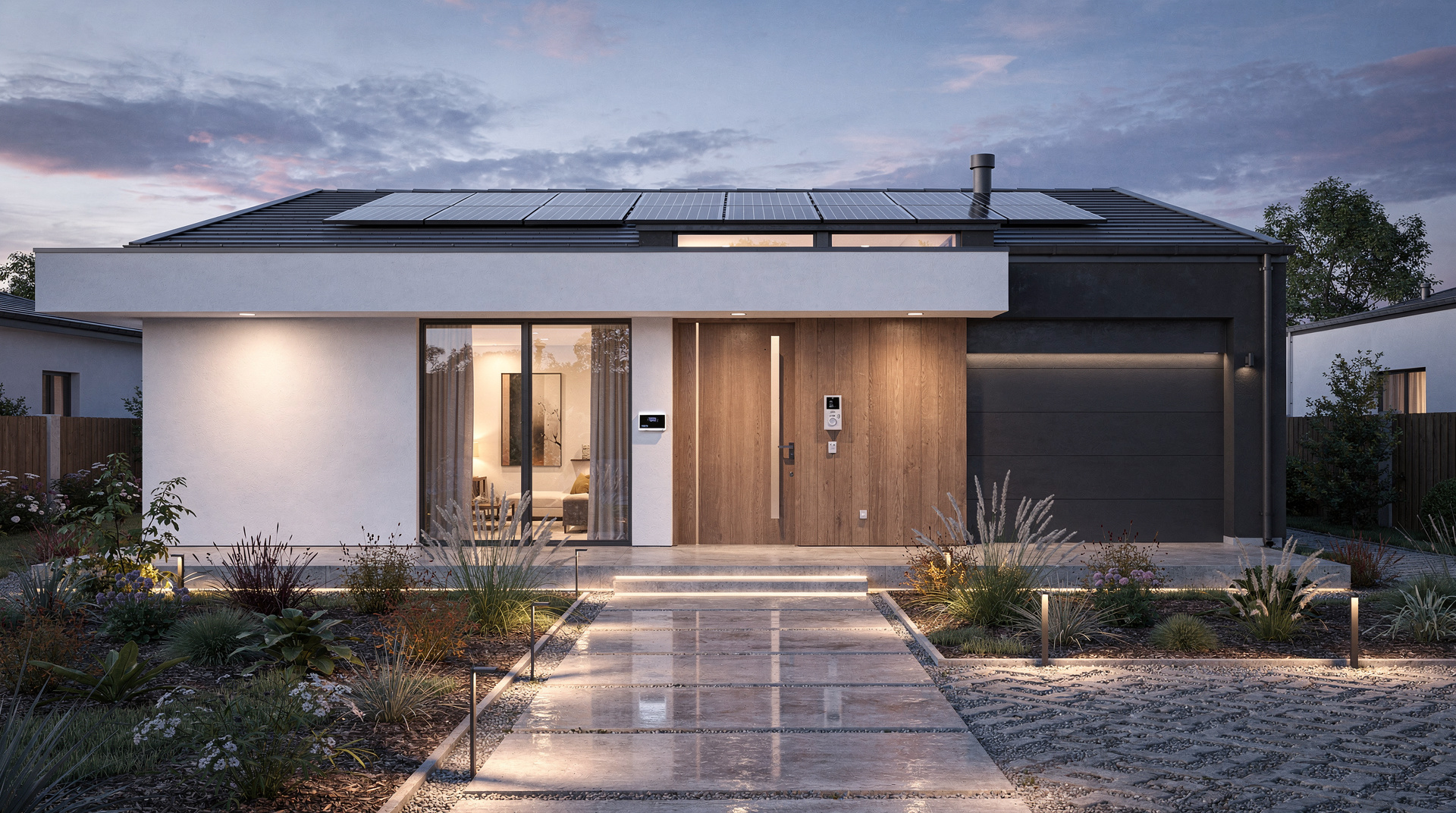
Smart home systems are a key part of sustainable living, letting homeowners monitor and control their energy use as it happens. Detailed consumption data helps identify waste and cut usage. These systems can also be integrated with renewable energy sources such as solar and wind power.
Some of the benefits of smart home systems include:
- Real-time energy monitoring: which enables homeowners to track their energy usage and identify areas of waste
- Customizable automation: which allows homeowners to program their smart home systems to optimize energy usage and convenience
- Integration with renewable energy sources: homeowners can use solar and wind energy to reduce their reliance on fossil fuels
Practical Tips for Implementing Home Automation
To implement home automation and start saving energy, follow these practical tips:
- Start small: by automating a single system, such as lighting or heating, and then expanding to other areas of the home
- Conduct an energy audit: to identify areas of energy waste and prioritize automation efforts
- Choose a compatible system: which can integrate with existing devices and systems, and be expanded or upgraded as needed
- Monitor and adjust: regularly review energy usage and adjust automation settings to optimize energy efficiency
Conclusion: The Future of Home Automation in the Netherlands
Home automation plays an important role in saving energy and creating more sustainable living spaces. By using smart technology, Dutch residents can reduce consumption, lower utility bills, and contribute to a greener future. As demand for energy-efficient homes grows, home automation is likely to become an increasingly important part of sustainable living in the Netherlands.