Introduction to Textural Richness in Interior Design
In interior design, textural richness is more than a passing trend. It adds depth, contrast, and personality to every space. Texture refers to the surface quality of materials, whether perceived by touch or sight. From the softness of a shaggy rug to the cool smoothness of marble countertops, textures shape the overall ambiance of a home. They add dimension to flat surfaces, create focal points, and enhance the sensory experience of the people living there.
Incorporating various textures into living spaces is not only about aesthetics. It is a deliberate design approach that can turn an ordinary room into a striking one, adding comfort and making homes feel more inviting and lived-in. Texture can influence the mood and atmosphere of a room as much as color and light.
This section examines the layers of texture as a design element and its importance in modern interiors. The way textures combine can transform a house into a warm, welcoming home that reflects the personalities and tastes of its residents.
Understanding Different Types of Textures
When we think of textures, we often think of how something feels under our fingertips. In interior design, however, texture also describes the visual impression materials convey. In the Netherlands, where design combines functionality and comfort, understanding and applying different types of textures is essential. From the rustic character of aged wood reminiscent of Dutch farmhouses to the smooth modernist finishes of urban Amsterdam apartments, textures are varied and diverse.
In Dutch homes, soft textures are commonly used to create a sense of warmth and coziness, especially during the colder months. Think of thick woolen throws, plush velvet cushions, or fluffy area rugs that invite bare feet. These soft textures are complemented by harder ones, such as unpolished wood floors, stone countertops, or wrought iron fixtures, reflecting the Netherlands’ rich history and natural resources.
The combination of glossy and matte finishes also matters in Dutch interior design. A high-gloss lacquered table can stand out against a matte-painted wall, creating a dynamic and visually interesting space. By mixing these textures, Dutch homes achieve a balanced environment that appeals to both sight and touch.
Techniques for Incorporating Textures
Incorporating textures into your home with a nod to Dutch design principles involves a mix of tradition and innovation. Start by blending natural materials the Netherlands is known for, such as wood, stone, and metals, with contemporary textiles and accents. This approach honors the country’s heritage and brings a timeless elegance to the space.
One key technique is layering. Begin with a solid foundation, such as hardwood floors typical in Dutch interiors, and add layers through area rugs, throw blankets, and draperies. This not only enhances the room’s texture but also its warmth and comfort, a prized aspect in Dutch living spaces.
Balance is essential when mixing textures. Combine heavy, rough materials like reclaimed wood with lighter, smoother fabrics like linen or silk. This contrast creates depth and interest without overwhelming the senses. Lighting, often underestimated, matters here too. The soft glow of lamps can highlight the details of textured surfaces and enhance the room’s ambiance.
Trending Textural Elements in Home Renovation in the Netherlands
In the Netherlands, the trend in home renovation leans towards sustainability and nature-inspired elements, reflecting the country’s commitment to environmental consciousness. Natural materials such as bamboo, cork, and recycled wood are not only eco-friendly but also add unique textures to the interior.
Artisanal crafts are making a resurgence, with Dutch designers embracing locally sourced materials and traditional techniques. Handmade tiles, woven baskets, and ceramic vases introduce a personal, tactile touch to homes, connecting inhabitants with the artisan’s handiwork.
Sustainable textiles, such as organic cotton and hemp, are increasingly popular in Dutch homes, offering both comfort and a clear conscience. These materials, paired with traditional Dutch motifs or modern designs, contribute to a home’s textural diversity while aligning with the country’s green initiatives.
Practical Tips for Integrating Textures in Your Home
Integrating textures into your home requires a thoughtful approach, especially when aiming to create a space that reflects the harmonious balance often found in Dutch interiors. Here’s how you can achieve this:
Living Room: Begin with a neutral base, such as a soft, light-colored sofa, which acts as a canvas for textured throw pillows and blankets. Incorporate natural wood elements through furniture or decorative items to bring warmth and a touch of the Netherlands’ love for nature. A woven rug can add depth and comfort underfoot, while sheer curtains allow natural light to enhance the textures within the room.
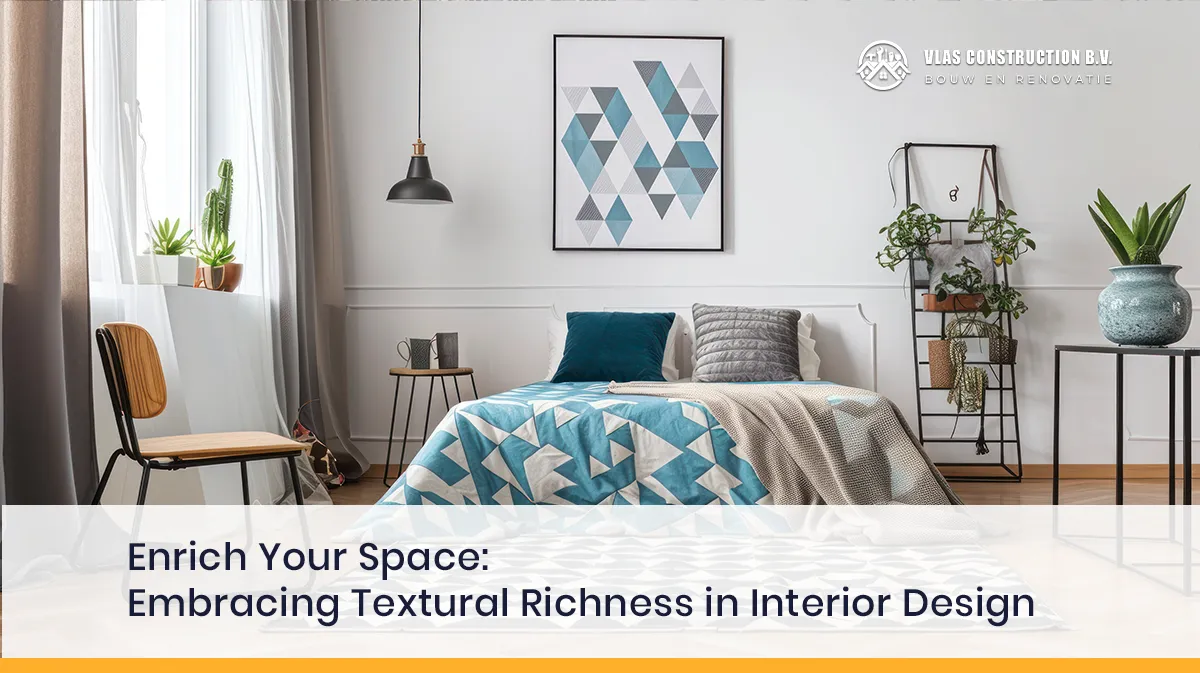
Bedroom: Comfort is key in this personal sanctuary. Layer your bed with a variety of fabrics like a down comforter, a chunky knit throw, and multiple pillows with different cases (silk, linen, velvet) to create an inviting and cozy retreat. Textured wallpaper or a wooden headboard can add visual interest and a rustic, Dutch touch.
Kitchen: Use materials such as terracotta tiles or stone countertops to add texture while keeping the space functional. Open shelving made of natural wood can display ceramic dishes and glass jars, adding layers of texture and keeping everyday items within reach. Mix metals through hardware and fixtures for a modern, eclectic feel.
Bathroom: Incorporate textures through elements like plush towels, a wooden bath mat, or stone sink basins. Wall tiles with varying patterns or finishes can add depth to the space without overwhelming it. Natural light and greenery can also enhance the textural elements, bringing a piece of the Dutch outdoors inside.
Benefits of Textural Richness in Living Spaces
Embracing textural richness in your home has numerous benefits. Psychologically, it can make spaces feel more grounded and inviting, creating an environment where relaxation and comfort are prioritized. Textures can also define zones within an open-plan space, subtly separating areas without the need for walls or barriers.
Physically, varying textures can stimulate the senses, making your home a more dynamic and interesting place to live. The mix of different materials can also influence the room’s acoustics, warmth, and overall feel, improving the living experience.
From a design perspective, integrating different textures adds depth and dimension to interiors, preventing rooms from feeling flat or monotonous. It allows for personal expression and can reflect the cultural heritage of the Netherlands, with its emphasis on simplicity, functionality, and connection to nature.
Conclusion and Call to Action
Incorporating rich textures into your home’s interior design can transform ordinary spaces into luxurious and comfortable sanctuaries. It’s a trend that not only adds aesthetic value but also enhances the quality of living. By embracing the Dutch approach of balancing tradition with modernity, you can create a home that is both timeless and contemporary.
As we conclude this exploration of textural richness, remember that your home is a reflection of your personal style and values. Don’t be afraid to experiment with different textures and materials to find the perfect blend for your space. And if you’re ready to infuse your home with the beauty and warmth of rich textures, Vlas Construction is here to help. Our team of experts can guide you through the renovation process, ensuring that your living space becomes the epitome of comfort and luxury.
Ready to transform your home with the magic of textures? Contact Vlas Construction today, and let us help you bring your vision to life.