Interior Design Trends for Dutch Homes
Useful interior trends respond to the way a home is lived in. For Dutch renovations, that often means better use of limited space, more daylight, durable materials and rooms that can serve more than one purpose.
Natural materials with a practical finish
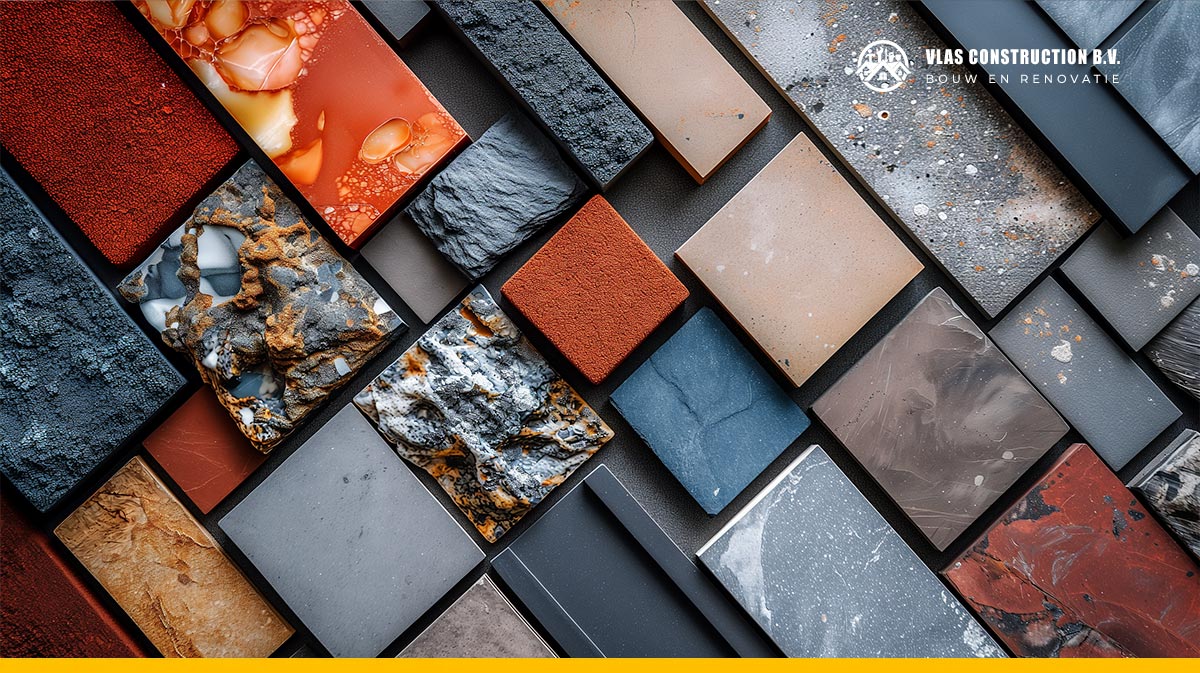
Wood, stone, lime plaster and mineral finishes bring texture without relying on decorative clutter. The right choice depends on the room. A kitchen or bathroom needs surfaces that tolerate moisture and frequent cleaning, while a living room allows more delicate finishes.
Material samples should be viewed in the home before a final decision. Daylight, wall colour and artificial lighting can change how a finish looks throughout the day.
Warm, restrained colour palettes
Warm neutrals, muted greens, soft blues and earthy reds work well with timber and existing brick. Rather than using one colour everywhere, a renovation can combine a calm base with a darker tone on joinery, an alcove or a single wall.
Paint colour is only one part of the result. Flooring, curtains, furniture and the amount of daylight all affect the balance of the room.
Built-in storage
Storage planned as part of the renovation makes better use of awkward corners, sloped roofs and narrow circulation areas. Full-height cupboards can reduce visual noise, while open shelves are best reserved for items that are used or displayed regularly.
In smaller homes, built-in benches, window seats and stair storage can add function without taking over the room.
Flexible rooms
A spare room may need to work as an office, guest room and quiet space. Sliding panels, well-placed sockets, layered lighting and furniture with more than one use make that change easier.
Acoustics matter too. Doors, soft furnishings and sound-absorbing finishes can improve privacy when several people work or study at home.
Lighting planned in layers
A single ceiling light rarely covers every task. A practical scheme combines general lighting with focused light above work surfaces and softer light for the evening. Switch positions, dimming and colour temperature should be decided before walls and ceilings are closed.
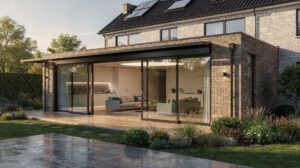
Where possible, the layout should also protect natural light. Internal glazing, wider openings and lighter finishes can move daylight deeper into the home.
Durable details
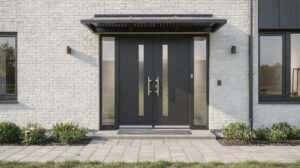
Handles, hinges, skirting, sealants and transitions between materials are small parts of a renovation, but they influence how the result ages. Specify them early so that doors clear the floor, panels align and different finishes meet cleanly.
Choosing what fits your home
A trend is useful only when it supports the building, budget and daily routine. Start with the problems the renovation needs to solve. Materials, colours and furniture can then follow a clear plan instead of competing for attention.