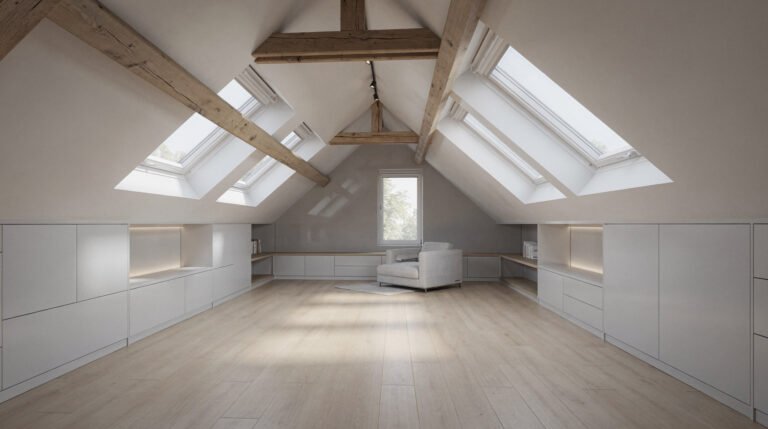
Why Insulation Is the Key to a Successful Home Renovation
Why Insulation Is the Key to a Successful Home Renovation
Introduction
For home renovation in the Netherlands, insulation deserves serious attention. With the country committed to reducing gas usage to zero by 2050 and energy efficiency growing in importance, proper insulation is a necessity, not a luxury. This article explains the benefits of insulation, the types available, and how it supports a successful renovation.
Basic Concepts
What is Insulation?
Insulation is a material used to create a barrier between the inside of your home and the outside environment. It is designed to slow down the transfer of heat, keeping your home warm in the winter and cool in the summer. Common materials used for insulation include fiberglass, cellulose, and foam.
Importance of Insulation in the Netherlands
With long, cold winters, the Netherlands makes insulation especially important. Proper insulation regulates temperature and humidity in your home, creating a more comfortable living environment. It also cuts energy consumption, a significant factor given rising energy prices and the country’s environmental goals.
Benefits of Insulation
Energy Savings
One of the most significant benefits of insulation is the substantial reduction in energy consumption. According to Milieu Centraal, adding insulation to your home can save you up to 30% on your energy bills. This not only reduces your financial expenditure but also contributes to a more sustainable lifestyle.
Comfort and Noise Reduction
Insulation helps in creating a more comfortable living environment by maintaining a consistent temperature throughout the year. It also reduces noise pollution by absorbing sound waves, making your home a quieter and more peaceful place to live.
Environmental Impact
By reducing the amount of energy used for heating and cooling, insulation helps in lowering greenhouse gas emissions. This is a simple yet effective way to reduce your carbon footprint and contribute to environmental protection.
Increased Property Value
Proper insulation can increase the value of your home. A well-insulated home is more energy-efficient, comfortable, and environmentally friendly, making it more attractive to potential buyers and increasing its resale value.
Types of Insulation
Fiberglass Insulation
Fiberglass insulation is made from spun glass fibers and is the most popular type of insulation. It is affordable, easy to install, and has a high R-value, which measures its thermal resistance.
Cellulose Insulation
Cellulose insulation is made from recycled paper products and is another affordable and eco-friendly option. It is also effective in reducing energy consumption and is a good choice for those looking for a sustainable solution.
Foam Insulation
Foam insulation is made from a chemical reaction between two liquids and is the most expensive option. However, it is highly effective at sealing air leaks and has a high R-value, making it a valuable investment for long-term energy savings.
Practical Tips for Insulating Your Home
Prioritize Roof Insulation
Roof insulation is the most cost-effective way to reduce heat loss, especially if you use the rooms you are insulating actively. It is relatively easy to install from the inside, and the materials are not expensive.
Insulate Walls and Floors
After insulating the roof, focus on the walls and floors. Wall insulation, such as spouwmuur isolation, is relatively cheap and can be done by a third party. Under-floor insulation also helps in saving money and improving the energy label of your home.
Ensure Airtightness
When insulating, make sure your home is airtight. Ventilation then becomes more important for air quality, and fixing air leaks is essential. Strips on doors and windows can help with this.
Consider Additional Energy-Saving Measures
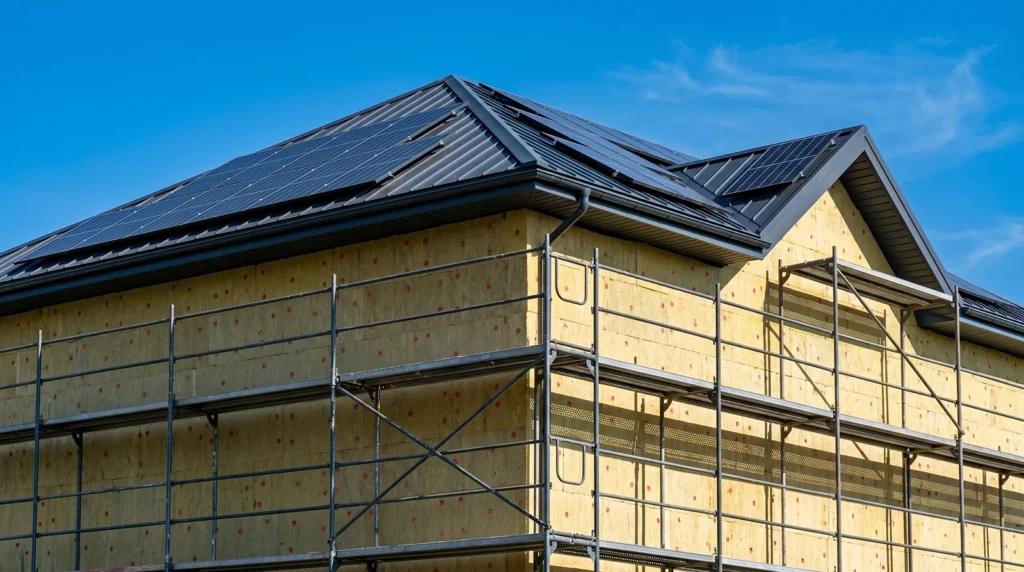
In addition to insulation, consider other energy-saving measures such as installing solar panels, energy-efficient heating systems like heat pumps, and using HR++ glass for windows. These measures can further reduce your energy consumption and enhance the overall energy efficiency of your home.
Subsidies and Incentives
The Dutch government offers various subsidies to encourage energy-efficient practices. These include subsidies for insulation, energy-efficient heating systems, and solar panel installations. If you have taken two sustainability measures since 2022, you can be reimbursed for 30% of the cost, making these investments more accessible.
Cost Advantage of Energy-Efficient Homes
Energy-efficient homes, particularly those with an A-label, have a significant cost advantage. The net present value of the expected energy savings over time can be substantial, especially in scenarios where energy prices remain high. For example, in a high-price scenario, the cost advantage of an energy-efficient dwelling can increase by 55% to €33,900.
Conclusion
Insulating your home is a critical component of any successful home renovation in the Netherlands. It offers numerous benefits, including significant energy savings, improved comfort, reduced noise pollution, and a lower environmental impact. With the right type of insulation and additional energy-saving measures, you can enjoy a more energy-efficient home that is both comfortable and sustainable.