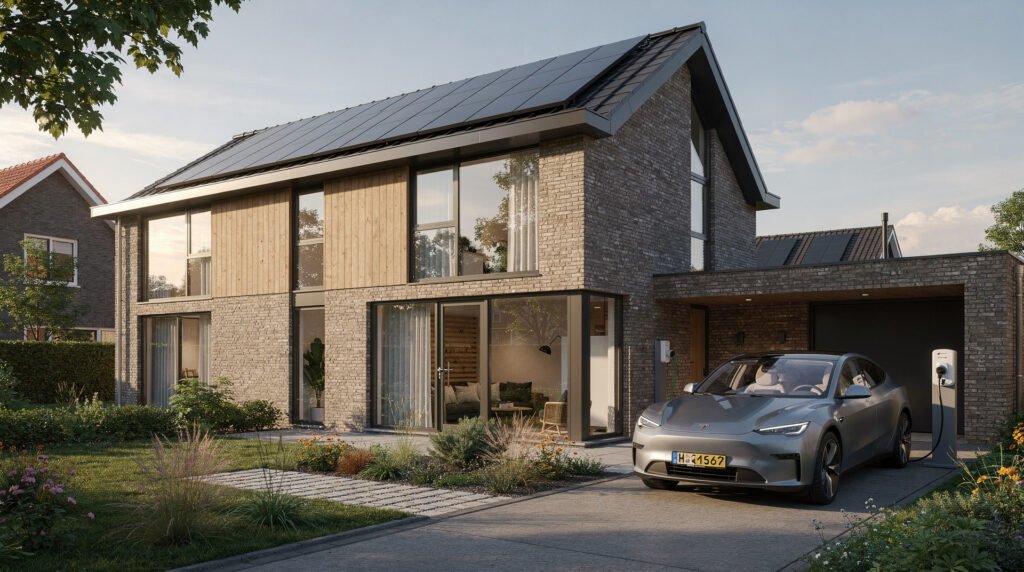
Installing an Electric Vehicle Charging Station at Your Home
As the world shifts towards sustainable living, electric vehicles have become an increasingly popular choice for environmentally conscious individuals in the Netherlands. One of the crucial aspects of owning an electric vehicle is having a convenient and efficient charging solution. Installing an electric vehicle charging station at your home can be a valuable upgrade, providing you with the freedom to charge your vehicle at any time. In this article, we will guide you through the process of installing an electric vehicle charging station at your home, covering the key concepts, benefits, and practical tips.
Basic Concepts
Before installing a charging station, it helps to understand the basics. Electric vehicle charging stations, also known as EVSE (Electric Vehicle Supply Equipment), deliver electricity to charge electric vehicles. There are several types: Level 1, Level 2, and DC Fast Charging. Level 1 uses a standard 120-volt household outlet. Level 2 uses a 240-volt outlet and charges faster. DC Fast Charging is the quickest option but requires a high-power charging station.
In the Netherlands, the most common type of EVSE is the Type 2 socket, which is compatible with most electric vehicles. It is crucial to choose the right type of EVSE for your vehicle and to ensure that it meets the safety standards and regulations in the Netherlands.
Benefits of Installing an Electric Vehicle Charging Station
Installing an electric vehicle charging station at your home offers numerous benefits, including:
- Convenience: Charge your vehicle at any time, without having to rely on public charging stations.
- Energy efficiency: Electric vehicles are generally more energy-efficient than traditional gasoline-powered vehicles, reducing your carbon footprint.
- Cost-effectiveness: Charging your vehicle at home can be more cost-effective than using public charging stations.
- Increased property value: Installing an electric vehicle charging station can increase the value of your property, making it more attractive to potential buyers.
Step-by-Step Installation Process
To install an electric vehicle charging station at your home, follow these steps:
- Determine the type of EVSE you need, considering factors such as your vehicle’s make and model, and the available electrical infrastructure in your home.
- Choose a suitable location for the charging station, ensuring it is easily accessible and protected from the elements.
- Hire a licensed electrician to install the EVSE, ensuring it meets the safety standards and regulations in the Netherlands.
- Connect the EVSE to your home’s electrical panel, and configure the charging station according to the manufacturer’s instructions.
- Test the charging station to ensure it is functioning correctly and safely.
Practical Tips and Recommendations
To ensure a safe and efficient charging experience, follow these practical tips:
- Regularly inspect the charging station and cables for signs of wear and tear.
- Keep the charging station and surrounding area clean and clear of obstacles.
- Use a charging station with built-in safety measures, such as overcharge protection and ground fault protection.
- Consider installing a smart charging station, which can help you monitor and optimize your energy consumption.
Consult your local utility company to find out whether you qualify for incentives or rebates for installing a home charging station.
Conclusion
Installing an electric vehicle charging station at your home can be a valuable upgrade, providing you with the freedom to charge your vehicle at any time. By understanding the basic concepts, benefits, and step-by-step installation process, you can ensure a safe and efficient charging experience. Remember to follow the practical tips and recommendations outlined in this article to get the most out of your electric vehicle charging station. As the demand for electric vehicles continues to grow in the Netherlands, investing in a home charging station can be a wise decision, contributing to a more sustainable and energy-efficient future.