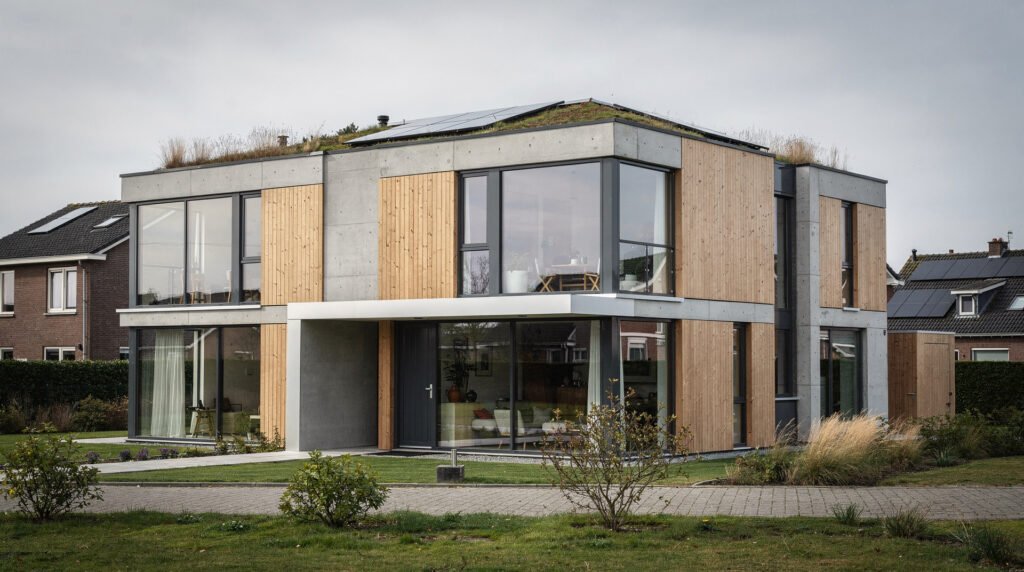
Modular Homes: Faster, Energy-Efficient Construction
As sustainable living gains ground, the construction industry is changing with it. In the Netherlands, where energy efficiency is highly valued, modular homes are becoming increasingly popular. This article covers their benefits, design, and construction process, as well as their potential to reshape Dutch architecture.
Introduction to Modular Homes
Modular homes are prefabricated houses built in a factory and assembled on site. They are designed to be energy efficient, sustainable, and fast to build, making them an attractive option for homeowners and builders alike. Modular homes are constructed in modules, which are then transported to the building site and assembled to form a complete house. This construction method allows for greater control over the building process, reducing waste and minimizing environmental impact.
Benefits of Modular Homes
So, what makes modular homes so appealing? Here are just a few benefits of choosing a modular home:
- Energy efficiency: Modular homes are designed to use little energy, with insulation, double glazing, and solar panels.
- Fast construction: Modular homes can be built in a matter of weeks, rather than months, reducing the time and cost associated with traditional construction methods.
- Sustainability: Modular homes are made from sustainable materials and are designed to minimize waste and reduce environmental impact.
- Cost effective: Modular homes can be more cost effective than traditional construction methods, as they reduce waste and minimize labor costs.
- Customizable: Modular homes can be customized to meet the needs and preferences of the homeowner, allowing for a high degree of flexibility and personalization.
Design and Construction Process
The design and construction process of modular homes involves several stages, from initial design to final assembly. Here’s an overview of the process:
- Design: The homeowner works with an architect or designer to create a custom design for their modular home.
- Factory construction: The modules are constructed in a factory, where they are built to exacting standards and inspected for quality and safety.
- Transportation: The modules are transported to the building site, where they are assembled to form a complete house.
- Assembly: The modules are assembled on site, with final connections and finishing touches made by skilled craftsmen.
- Inspection and testing: The completed house is inspected and tested to ensure that it meets all relevant safety and building standards.
Modular Homes in the Netherlands
In the Netherlands, modular homes are becoming increasingly popular, particularly among homeowners who value energy efficiency and sustainability. The Dutch government has implemented various initiatives to encourage the development of sustainable and energy-efficient homes, including modular homes. Some of the key trends and developments in the Dutch modular home market include:
- Increased demand for energy-efficient homes: Dutch homeowners are increasingly looking for ways to reduce their energy consumption and carbon footprint, making modular homes an attractive option.
- Growing popularity of sustainable materials: The use of sustainable materials, such as recycled wood and low-carbon concrete, is becoming more widespread in the Dutch construction industry.
- Development of new technologies: New technologies, such as advanced insulation and solar panels, are being developed and integrated into modular homes to improve their energy efficiency and sustainability.
Practical Tips for Building a Modular Home in the Netherlands
If you’re considering building a modular home in the Netherlands, here are some practical tips to keep in mind:
- Research and planning: Research different modular home manufacturers and planners to find one that meets your needs and budget.
- Design and customization: Work with an architect or designer to create a custom design for your modular home, taking into account your lifestyle, needs, and preferences.
- Permits and regulations: Comply with all relevant building regulations and obtain the necessary permits before starting construction.
- Energy efficiency and sustainability: Consider using energy-efficient technology and sustainable materials to minimize your modular home’s environmental impact.
Conclusion
Modular homes are an exciting and innovative development in the world of construction, offering a fast, energy-efficient, and sustainable alternative to traditional building methods. In the Netherlands, where energy efficiency and sustainability are highly valued, modular homes are becoming increasingly popular. By understanding the benefits, design, and construction process of modular homes, as well as the trends and developments in the Dutch market, homeowners can make informed decisions about their building projects. Whether you’re a homeowner, builder, or architect, modular homes are definitely worth considering as a viable option for your next construction project.
Make sure to research and plan carefully, considering factors such as energy efficiency, sustainability, and customization, to ensure that your modular home meets your needs and exceeds your expectations. With the right approach and mindset, modular homes can provide a fast, efficient, and sustainable solution for homeowners in the Netherlands, while also contributing to a more environmentally friendly and sustainable built environment.