Rooft insulation: A Key to Maximizing Energy Efficiency
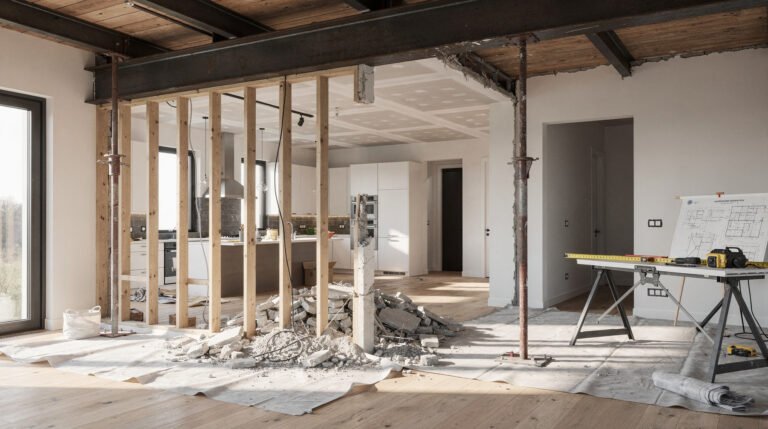
Roof insulation is an important part of home renovation, particularly in the Netherlands, where energy-efficient homes are increasingly popular. For homeowners, it is worth considering how roof insulation reduces energy consumption and limits your carbon footprint. This article covers the benefits, types, and installation methods of roof insulation, along with practical tips for Dutch homeowners planning an upgrade.
Basic Concepts: Understanding Rooftop Insulation
Before looking at the details, it helps to understand the basics. Roof insulation means adding insulating materials to your roof to reduce heat loss in winter and heat gain in summer. This lowers energy consumption and contributes to a more sustainable and comfortable living environment.
The key to effective rooftop insulation lies in the materials used. Some common types of insulation materials include fiberglass, cellulose, and foam board insulation. Each of these materials has its unique benefits and drawbacks, and the choice of material will depend on your specific needs and budget. For instance, fiberglass insulation is a popular choice due to its affordability and ease of installation, while foam board insulation offers superior thermal performance but at a higher cost.
Benefits of Rooftop Insulation
The benefits of rooftop insulation are numerous, and Dutch homeowners can reap several advantages by investing in this sustainable upgrade. Some of the most significant benefits include:
- Reduced energy consumption: By minimizing heat loss and heat gain, rooftop insulation helps to reduce your energy consumption, resulting in lower energy bills and a reduced carbon footprint.
- Increased comfort: Rooftop insulation helps to maintain a consistent indoor temperature, ensuring a comfortable living environment throughout the year.
- Improved durability: Insulation materials can help to protect your roof from damage caused by extreme weather conditions, extending its lifespan and reducing maintenance costs.
- Enhanced sustainability: By reducing energy consumption and minimizing waste, rooftop insulation contributes to a more sustainable future for Dutch homeowners.
Types of Rooftop Insulation
There are several types of rooftop insulation available, each with its unique characteristics and benefits. Some of the most common types include:
- Fiberglass insulation: A popular choice due to its affordability and ease of installation, fiberglass insulation is available in batts or rolls and can be installed in a variety of locations, including attics and walls.
- Cellulose insulation: Made from recycled materials, cellulose insulation is a sustainable and eco-friendly option that offers superior thermal performance and fire resistance.
- Foam board insulation: Offering superior thermal performance, foam board insulation is a popular choice for exterior walls and foundation walls.
- Reflective insulation: Designed to reflect radiant heat rather than absorb it, reflective insulation is a popular choice for attics and roofs.
Installation Methods
The installation method will depend on the type of insulation material chosen, as well as the specific requirements of your home. Some common installation methods include:
- DIY installation: Fiberglass insulation and reflective insulation can be installed DIY, providing a cost-effective solution for homeowners.
- Professional installation: Cellulose insulation and foam board insulation require professional installation, ensuring a safe and efficient installation process.
- Ret systems: A retrofit installation system, which involves installing insulation in existing homes, can be an effective solution for Dutch homeowners looking to upgrade their homes.
Practical Tips for Dutch Homeowners
If you are considering rooftop insulation for your Dutch home, here are some practical tips to keep in mind:
- Conduct an energy audit: Before installing rooftop insulation, conduct an energy audit to identify areas of heat loss and gain in your home.
- Choose the right materials: Select insulation materials that meet your specific needs and budget, and consider factors such as thermal performance, durability, and sustainability.
- Consider professional installation: While DIY installation may be a cost-effective solution, professional installation ensures a safe and efficient installation process.
- Maintain your insulation: Regularly inspect and maintain your insulation to ensure optimal performance and extend its lifespan.
Conclusion
Rooftop insulation is a crucial aspect of home renovation, offering numerous benefits for Dutch homeowners, including reduced energy consumption, increased comfort, and improved durability. By understanding the basic concepts, types, and installation methods of rooftop insulation, homeowners can make informed decisions about this sustainable upgrade. Remember to conduct an energy audit, choose the right materials, consider professional installation, and maintain your insulation to ensure optimal performance. With rooftop insulation, you can create a more sustainable, comfortable, and energy-efficient home for years to come.
As the demand for energy-efficient homes continues to grow in the Netherlands, rooftop insulation is becoming an increasingly popular solution for homeowners looking to reduce their energy consumption and minimize their carbon footprint. By investing in rooftop insulation, Dutch homeowners can contribute to a more sustainable future, while also enjoying the benefits of a comfortable and energy-efficient living environment.