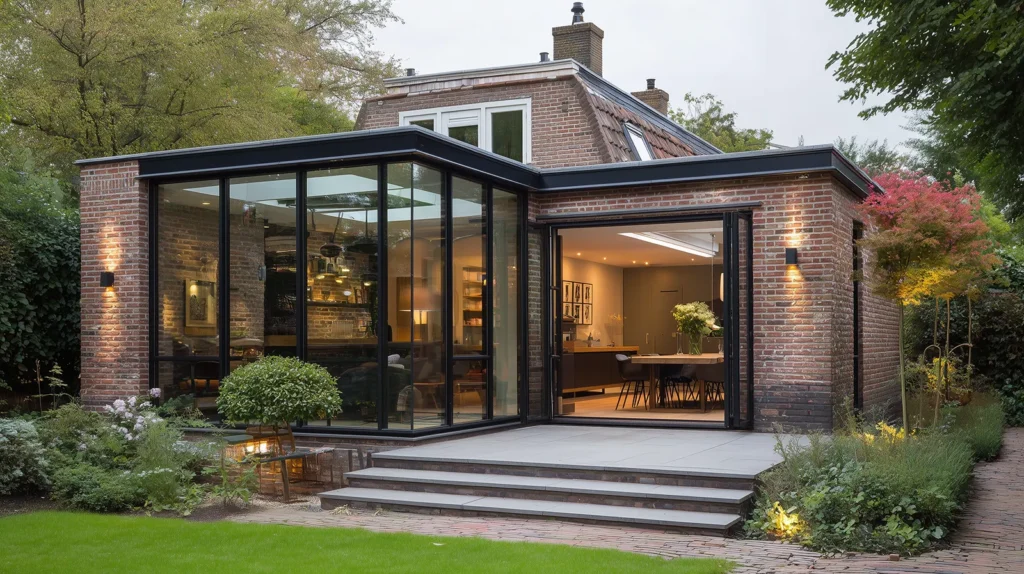
How House Extensions Can Boost Your Home’s Energy Efficiency
As a homeowner in the Netherlands, you may be looking for ways to make your home more energy-efficient and sustainable. Building a house extension is one effective option. An extension can increase your living space while letting you incorporate energy-efficient materials and reduce your energy consumption and utility bills.
Basic Concepts: Understanding Energy Efficiency in Home Renovations
It helps to start with some basic concepts. Energy efficiency in home renovations means using materials, designs, and technologies that reduce the energy needed to heat, cool, and power your home, such as insulation, double-glazed windows, and solar panels. Given the cold and windy Dutch climate, energy efficiency is crucial to keeping your home comfortable while reducing your carbon footprint.
Benefits of Energy-Efficient House Extensions
There are numerous benefits to building an energy-efficient house extension. Some of the most significant advantages include:
- Reduced energy consumption: By incorporating energy-efficient materials and designs, you can significantly reduce your energy consumption, which can lead to lower utility bills and a smaller carbon footprint.
- Increased comfort: Energy-efficient extensions can offer a more comfortable living space, with natural light, ventilation, and temperature control.
- Improved indoor air quality: Ventilation systems and air filtration in an energy-efficient extension can improve indoor air quality and reduce the risk of health problems.
- Increased property value: Energy-efficient house extensions can increase the value of your property, making it more attractive to potential buyers if you decide to sell in the future.
Designing an Energy-Efficient House Extension
When designing an energy-efficient house extension, there are several factors to consider. These include:
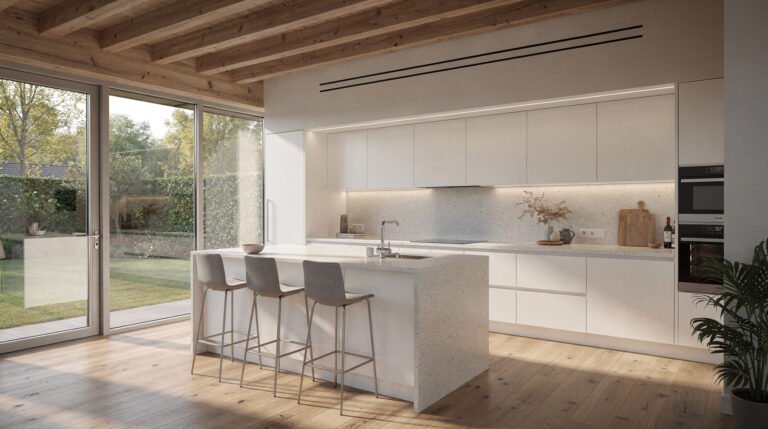
- Orienting the extension to maximize natural light: By orienting the extension to face the sun, you can reduce the need for artificial lighting and heating.
- Using insulation and draft-proofing: Insulation and draft-proofing can help to reduce heat loss and prevent cold air from entering the extension.
- Installing energy-efficient windows and doors: Energy-efficient windows and doors can help to reduce heat loss and prevent heat gain during the summer months.
- Incorporating renewable energy sources: Renewable energy sources such as solar panels and wind turbines can provide a sustainable source of energy and reduce your reliance on fossil fuels.
Materials for Energy-Efficient House Extensions
When building an energy-efficient house extension, the materials you use can play a significant role in determining its energy efficiency. Some of the most energy-efficient materials include:
- Sustainable timber: Sustainable timber is a renewable resource that can be used for framing, insulation, and cladding.
- Recycled materials: Recycled materials such as reclaimed wood and recycled glass can reduce waste and minimize the environmental impact of the extension.
- Low-carbon concrete: Low-carbon concrete is a more sustainable alternative to traditional concrete, with a lower carbon footprint and improved thermal mass.
- Insulation materials: Insulation materials such as fiberglass, cellulose, and foam board can help to reduce heat loss and prevent cold air from entering the extension.
Practical Tips for Building an Energy-Efficient House Extension
To ensure that your house extension is energy-efficient, follow these practical tips:
- Conduct an energy audit: Conducting an energy audit can help you to identify areas of energy inefficiency in your home and provide recommendations for improvement.
- Hire a professional: Hiring a professional builder or architect who specializes in energy-efficient design can ensure that your extension is built to the highest standards of energy efficiency.
- Choose energy-efficient materials: Choose materials that are sustainable, recyclable, and have a low carbon footprint.
- Consider renewable energy sources: Consider incorporating renewable energy sources such as solar panels or wind turbines into your extension.
Conclusion
Building a house extension is a good way to improve your home’s energy efficiency and reduce energy consumption. By understanding the basic concepts, designing with efficiency in mind, and using sustainable materials, you can create a comfortable living space that benefits both you and the environment. Whether you want to reduce your carbon footprint, save on utility bills, or simply live more comfortably, an energy-efficient extension can be a strong solution.
Prioritize energy efficiency when planning an extension, and seek professional advice if you are unsure about any part of the process. With the right design and materials, you can create an extension that is efficient, functional, and sustainable.