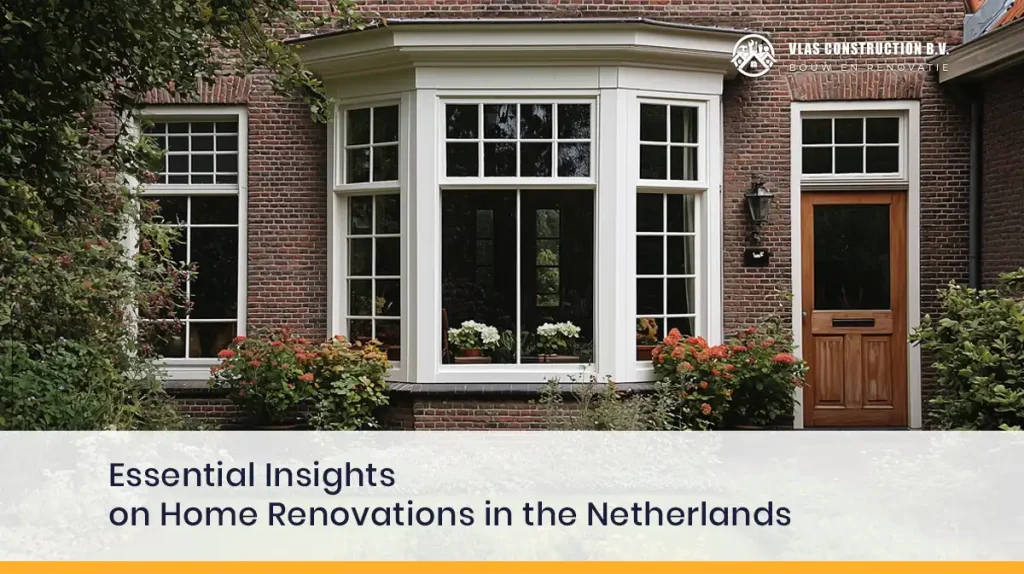
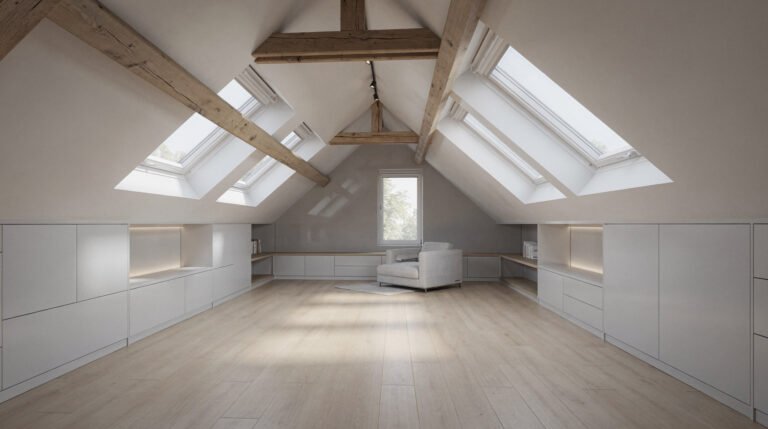
Essential Insights on Home Renovations in the Netherlands
Are you considering a home renovation or thinking about buying a property that’s less than move-in ready?
Meet Indra Manniesing, founder and CEO of the Dutch Real Estate Company (DREC). DREC offers more than real estate services; it specializes in assisting internationals through their complete housing journey, from securing short-term rentals and permanent homes to investment properties, renovations, and mortgage guidance.
DREC’s wide-ranging service is partly due to its family-oriented nature: Indra’s son, Ganesh, is the company’s contractor. Unlike many contractors, Ganesh and his team manage all aspects of the renovation process, from plumbing and flooring to electrics and design, with reliability and trust.
With an architect and stylist in the team, DREC ensures a smooth renovation process. “Previously, our clients preferred turnkey properties,” Indra notes. “But now, knowing they can rely on us, 50% of those who hadn’t considered renovation properties are open to it.”
Here’s what you need to know if you’re considering renovating your Dutch home:
1. Borrow Up to 100% of the Property Value, Plus Extra for Renovations
In the Netherlands, it is possible to buy a home without a down payment and secure additional mortgage funds for renovations. Meeting strict income criteria is essential. Once you qualify, you can renovate without upfront cash. If your borrowing capacity exceeds your needs, the excess can finance renovation projects. Borrowing more is also feasible, especially for renovations that improve your home’s energy efficiency. “This approach is uniquely Dutch,” Indra says, highlighting the country’s flexible 100% mortgage availability.
However, you’ll need about 5% of the property’s total value reserved for legal fees and other associated costs.
2. The Iconic Dutch Stairs Are Here to Stay
Anyone who’s encountered a Dutch stairwell, particularly in older buildings, has likely experienced the dizzying effect reminiscent of climbing the Eiffel Tower. Unfortunately, since stairwells are communal spaces, they fall under the homeowner’s association’s jurisdiction, requiring the entire board’s consent for alterations.
There is not much you can change about Dutch stairs, even if the board agrees. Architectural constraints often limit options, as modifications could reduce apartment square footage. Staying fit through the gym or cycling more can help you handle these vertical challenges.
3. External Lifts: A Solution for Narrow Stairwells
The narrow, steep stairwells do not just challenge residents; they also complicate transporting building materials to upper floors. Historically, a pulley system from the roof was used to haul large items in and out through windows.
While this method still exists, an external lift now provides a modern alternative. Resembling a stairway, this lift transports everything from antique furniture to construction supplies. “It’s a unique solution for many internationals,” Ganesh says, emphasizing the Netherlands’ knack for practical solutions to common challenges.
4. No Hot Water in Most Small Toilet Sinks
Many internationals are surprised to find no hot water in public or home toilet sinks. This may stem from the way pipes were historically installed or reflect the Dutch preference for practicality and thriftiness. Why incur extra costs for hot water when cold suffices?
Though some might disagree, it’s best to adapt to this Dutch quirk since addressing it during renovations is often more trouble than it’s worth.
5. Rising Damp: A Reality in a Low-Lying Country
Approximately 26% of the Netherlands lies below sea level, and that figure can rise to 59% during storms or high water levels. The country’s system of dikes, ditches, deltas, dams, pumps, floodgates, and dunes keeps the sea at bay.
Despite their water management expertise, the Dutch still face foundation issues related to dampness. Indra notes that potential buyers frequently inquire about a building’s foundations. “It depends on your home’s elevation above sea level,” she explains. “Damp problems are more common outside cities, but in Amsterdam, you’re generally safe.”
6. What’s Behind That Wall?
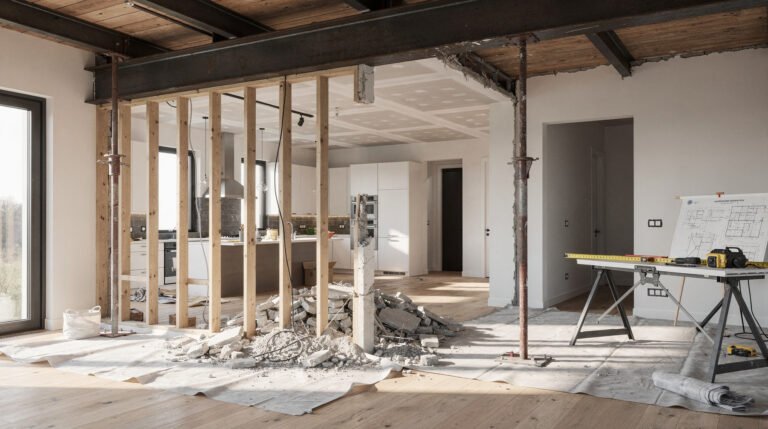
While you might not find an army of mutant rats, Ganesh warns that rusty pipes and asbestos are common unpleasant surprises. Both issues can delay renovations, so it’s best to investigate hidden problems early in the process.
7. Energy Labels: The New Selling Point
In the past, new kitchens and bathrooms were the main selling points for homes. Today, according to Manniesing, energy labels have taken center stage for both buyers and renters.
“The energy label wasn’t mandatory until recently, but now people are fixated on it,” she explains. “Even though it doesn’t account for usage, everyone wants a good energy rating. It can influence mortgage rates, with a B rating or higher offering a slight interest rate reduction.” An improved energy label can also increase a property’s selling price.
Conclusion: Understanding the Dutch Renovation Process
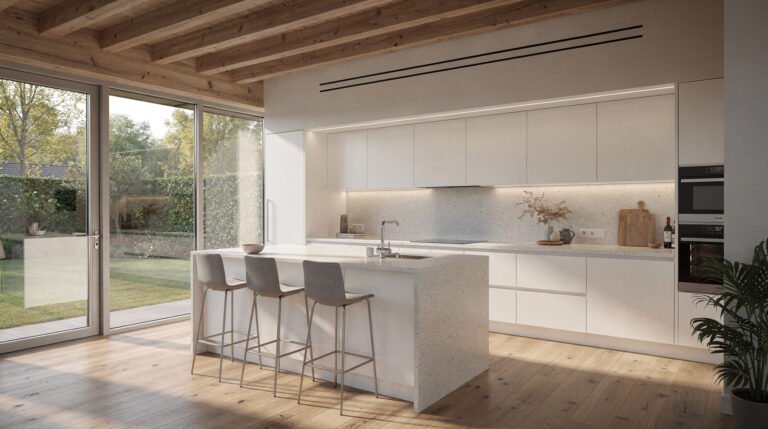
Undertaking home renovations in the Netherlands can be a rewarding venture, particularly with the guidance of a full-service provider like DREC. From understanding unique financial options and adapting to local quirks like narrow stairwells and cold water sinks to addressing structural concerns such as rising damp, being well-informed can lead to a successful project that increases your property’s value and energy efficiency. As the housing market evolves, integrating modern solutions and focusing on sustainability will help your renovation align with both current trends and personal needs. With careful planning and the right support, your Dutch renovation project can result in a home tailored to your lifestyle and investment goals.