Eco-Friendly Landscaping Tips for Sustainable Home Renovations
Renovating your home in the Netherlands can improve comfort, functionality, and appearance. It is also worth considering the environmental impact of your project. Eco-friendly landscaping is an important part of sustainable renovations, letting you create an outdoor space that is both attractive and environmentally conscious. This article offers practical tips for incorporating it into your home renovation.
Basic Concepts of Eco-Friendly Landscaping
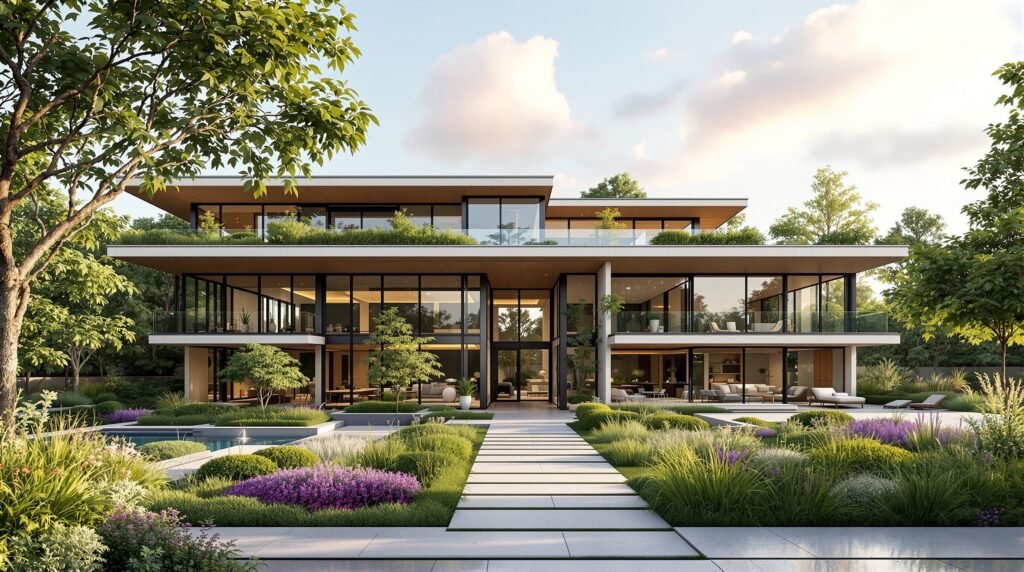
First, the basics: eco-friendly landscaping means designing and maintaining outdoor spaces in ways that minimize environmental harm. This includes using sustainable materials, conserving water, reducing waste, and promoting biodiversity. In home renovations, it can include elements such as rain gardens, green roofs, and solar-powered lighting.
In the Netherlands, where the climate is generally mild and wet, eco-friendly landscaping can be particularly effective in reducing the environmental impact of home renovations. By incorporating sustainable design principles and materials into your outdoor space, you can create a beautiful and functional area that also benefits the environment.
Benefits of Eco-Friendly Landscaping
There are numerous benefits to incorporating eco-friendly landscaping into your home renovation project. Some of the most significant advantages include:
- Reduced environmental impact: Eco-friendly landscaping can help minimize the negative effects of your renovation project on the environment, including reducing water consumption, waste, and pollution.
- Increased property value: A well-designed eco-friendly garden can raise your property’s value and make it more attractive to potential buyers if you decide to sell.
- Improved outdoor living: Eco-friendly landscaping can create a beautiful and functional outdoor space that is perfect for entertaining, relaxation, and recreation.
- Cost savings: Eco-friendly landscaping can help reduce your energy bills and maintenance costs, as sustainable materials and design principles can be more efficient and durable.
Practical Tips for Eco-Friendly Landscaping
To incorporate eco-friendly landscaping into your home renovation project, follow these practical tips:
- Use sustainable materials: Choose materials that are recyclable, reusable, or sustainably sourced, such as reclaimed wood, bamboo, or low-maintenance plants.
- Conserve water: Install rain barrels or greywater systems to collect and reuse rainwater or wastewater for irrigation and other non-potable purposes.
- Reduce waste: Minimize waste by composting food waste, using mulch or wood chips to suppress weeds, and choosing plants that require less pruning and maintenance.
- Promote biodiversity: Use native plants, flowers, and trees in your garden design to attract local wildlife and support the local environment.
- Use energy-efficient lighting: Install solar-powered or LED lighting to reduce energy consumption and minimize light pollution.
Case Study: Eco-Friendly Landscaping in the Netherlands
A recent Dutch study of 100 home renovation projects found that eco-friendly landscaping can significantly reduce the environmental impact of renovations. Projects that included elements such as rain gardens and green roofs had noticeably lower water consumption and waste production than those that did not.
The study also found that eco-friendly landscaping can have a positive impact on property values, with homes that incorporated sustainable design principles and materials selling for an average of 10% more than those that did not.
Conclusion
Eco-friendly landscaping is an important part of sustainable home renovations, helping homeowners in the Netherlands create outdoor spaces that are both attractive and environmentally conscious. By applying sustainable design principles and materials, you can reduce your renovation’s environmental impact and add value to your property. Use sustainable materials, conserve water, reduce waste, promote biodiversity, and choose energy-efficient lighting to benefit both you and the environment.