Creating an Energy-Efficient Home Office for the Modern Worker
With the rise of remote work, an energy-efficient home office has become a priority for many workers. In the Netherlands, where sustainability is highly valued, a home office should be both functional and environmentally friendly. This article explains the importance of energy-efficient design, offers tips for a sustainable remote work setup, and covers the latest home renovation trends for Dutch homes.
Basic Concepts: Understanding Energy-Efficient Design
Before diving into the world of energy-efficient home offices, it is essential to understand the basic concepts of sustainable design. Energy-efficient design refers to the use of materials, technologies, and practices that reduce the energy consumption of a building or space. This can include everything from insulation and windows to lighting and heating systems. In the context of a home office, energy-efficient design can help reduce energy bills, minimize environmental impact, and create a healthier working environment.
Key Elements of an Energy-Efficient Home Office
A few key elements make a home office energy-efficient:
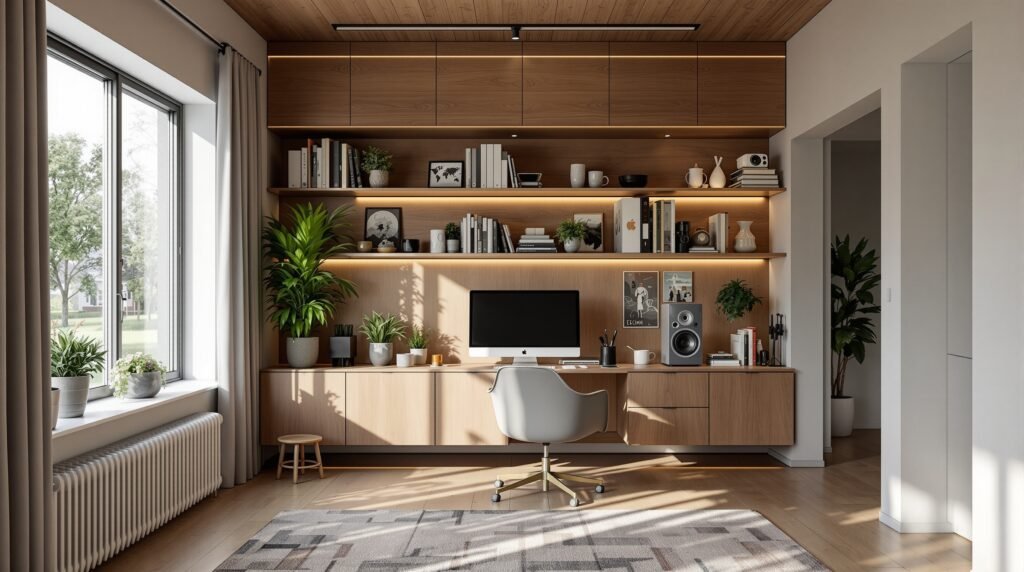
- Natural Lighting: Make the most of natural light by placing your home office near a window or using skylights to reduce the need for artificial lighting.
- Insulation: Proper insulation can help regulate the temperature of your home office, reducing the need for heating and cooling.
- Energy-Efficient Lighting: Use LED bulbs or other energy-efficient lighting options to reduce energy consumption.
- Sustainable Materials: Choose materials that are sustainably sourced and have a low environmental impact, such as bamboo or recycled materials.
Benefits of an Energy-Efficient Home Office
Creating an energy-efficient home office can have numerous benefits, including:
- Reduced Energy Bills: By reducing energy consumption, you can save money on your energy bills and minimize your environmental impact.
- Improved Health: Energy-efficient design can help create a healthier working environment by reducing pollution and improving air quality.
- Increased Productivity: A well-designed home office can help improve productivity and focus, making it easier to get work done.
- Enhanced Sustainability: By choosing sustainable materials and practices, you can reduce your environmental impact and contribute to a more sustainable future.
Practical Tips for Creating an Energy-Efficient Home Office
To create an energy-efficient home office, follow these practical tips:
- Conduct an Energy Audit: Assess your current energy consumption and identify areas for improvement.
- Use Power Strips: Plug your electronics into power strips and turn them off when not in use to reduce standby power consumption.
- Adjust Your Lighting: Use natural light during the day and adjust your lighting levels to reduce energy consumption.
- Choose Energy-Efficient Equipment: Select energy-efficient computers, printers, and other equipment to reduce energy consumption.
Renovation Tips for Dutch Homes
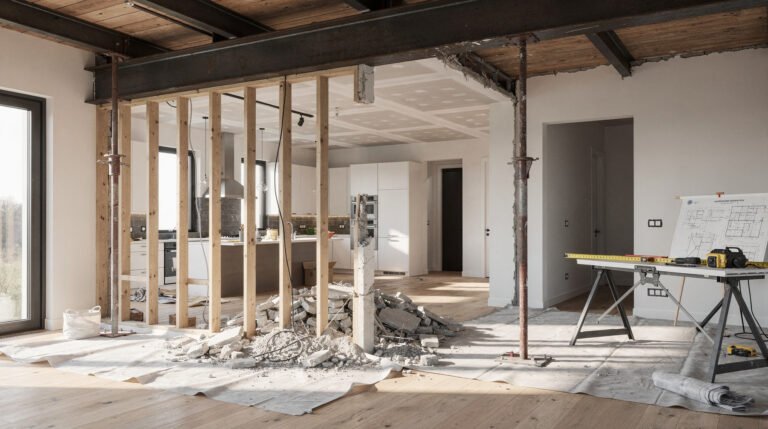
In the Netherlands, where homes are often older and less energy-efficient, renovations can play a significant role in creating an energy-efficient home office. Consider the following renovation tips:
- Double Glazing: Install double-glazed windows to reduce heat loss and improve insulation.
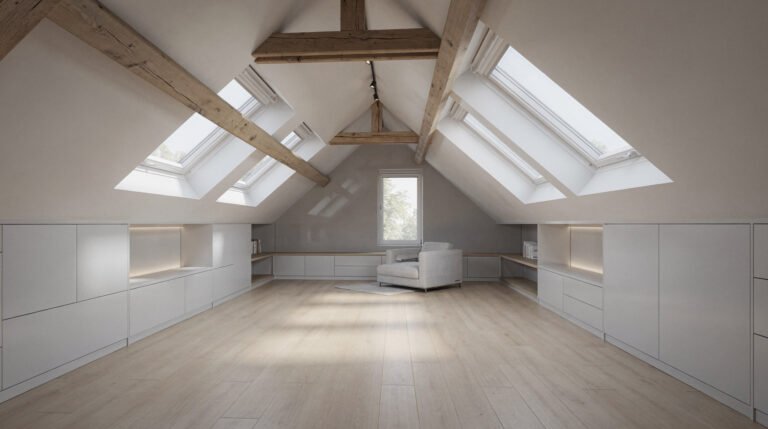
- Insulate Your Attic: Proper insulation in your attic can help regulate the temperature of your home office and reduce energy consumption.
- Use Sustainable Materials: Choose sustainable materials for your renovation, such as bamboo or recycled materials, to reduce your environmental impact.
Current Trends in Home Renovations for Dutch Homes
In recent years, there has been a shift towards sustainable and energy-efficient home renovations in the Netherlands. Some current trends include:
- Passive Houses: Passive houses are designed to be highly energy-efficient, using materials and technologies to minimize energy consumption.
- Green Roofs: Green roofs can provide insulation, reduce stormwater runoff, and create a natural habitat for wildlife.
- Sustainable Materials: Sustainable materials, such as bamboo and recycled materials, are becoming increasingly popular in home renovations.
Research and Statistics
According to recent research, energy-efficient home offices can have a significant impact on the environment and the economy. For example:
A study by the Dutch government found that energy-efficient buildings can reduce energy consumption by up to 50%.
A report by the European Union found that sustainable renovations can create up to 20% more jobs than traditional renovations.
Energy-Efficient Feature: Double Glazing
Energy Savings: 20-30%
Energy-Efficient Feature: Insulation
Energy Savings: 30-50%
Energy-Efficient Feature: Energy-Efficient Lighting
Energy Savings: 50-70%
Conclusion
An energy-efficient home office reduces energy consumption, improves health, and supports sustainability. By understanding the key elements of energy-efficient design, applying practical tips, and considering renovation options, you can create a home office that fits your needs. Conduct an energy audit, use power strips, and adjust your lighting to cut energy use, making your workspace both functional and environmentally friendly.