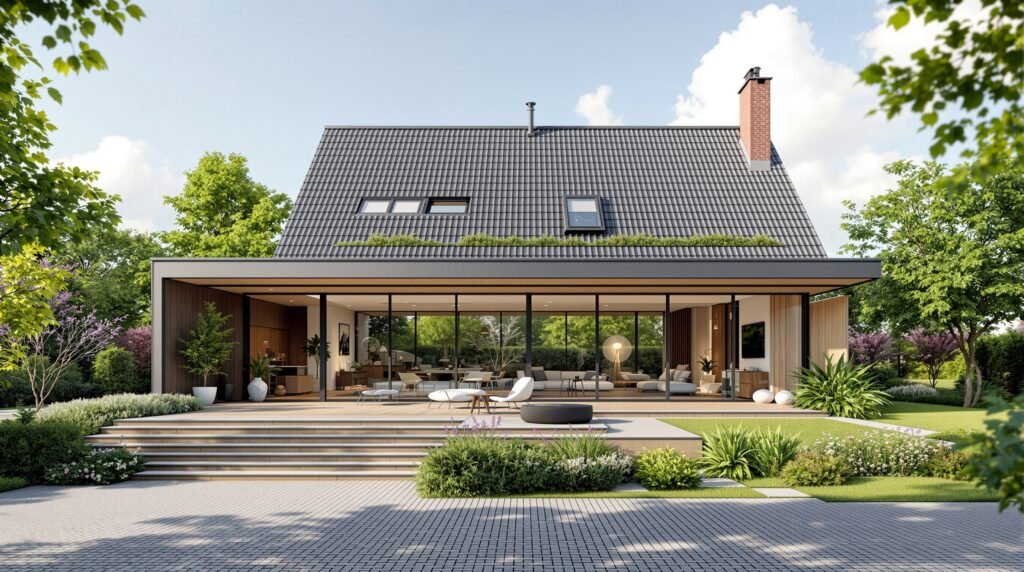
2025 Trends in House Extensions: Energy-Efficient Designs
Energy-efficient design is shaping how Dutch homeowners approach house extensions. More people want extra living space without increasing their carbon footprint. Here are the latest trends in energy-efficient extensions across the Netherlands.
Basic Concepts: Understanding Energy-Efficient House Extensions
Before diving into the trends, it’s essential to understand what energy-efficient house extensions entail. Energy-efficient designs are those that reduce the amount of energy required to heat, cool, or power a home. This can be achieved through various methods, including the use of sustainable materials, efficient insulation, and renewable energy sources. In the context of house extensions, this means designing and building additions that not only provide more space but also reduce energy consumption and environmental impact.
Key Components of Energy-Efficient House Extensions
Several key components contribute to making a house extension energy-efficient. These include:
- Insulation: Proper insulation is crucial in reducing heat loss and preventing heat gain, thus minimizing the need for heating and cooling.
- Energy-efficient windows and doors play a significant role in reducing heat transfer and preventing air leakage.
- Sustainable Materials: Sustainably sourced, recycled, or low-impact materials can reduce the carbon footprint of the extension.
- Renewable Energy Systems: Incorporating renewable energy systems such as solar panels or heat pumps can provide a clean source of energy, reducing reliance on fossil fuels.
2025 Trends in Energy-Efficient House Extensions
In 2025, several trends are expected to dominate house extensions in the Netherlands, driven by demand for sustainable living and the need to combat climate change.
- Passive House Designs: Passive house designs are gaining popularity for their ability to minimize energy consumption through super-insulation, airtight construction, and optimized window placement.
- Modular Construction: Modular construction methods are becoming more prevalent due to their efficiency, sustainability, and ability to reduce waste and environmental impact.
- Green Roofs: Green roofs, covered with vegetation, are not only aesthetically pleasing but also provide excellent insulation, reduce stormwater runoff, and create habitats for wildlife.
- Smart Home Technology: Integrating smart home technology into house extensions allows for real-time monitoring and control of energy usage, lighting, and heating, making homes more efficient and comfortable.
Practical Tips for Energy-Efficient House Extensions
To ensure your house extension is as energy-efficient as possible, consider the following practical tips:
- Always consult with professionals who have experience in sustainable design and construction.
- Conduct a thorough energy audit of your existing home to identify areas of improvement.
- Choose materials and systems based on their sustainability and energy efficiency.
- Consider the orientation of your extension to maximize natural light and heat.
Conclusion: Embracing Sustainable Future
The future of house extensions in the Netherlands is closely tied to energy-efficient designs. For homeowners, architects, and builders, embracing these trends and technologies contributes to a sustainable future while enhancing the comfort, value, and environmental performance of homes. Incorporating energy-efficient designs into house extensions can significantly reduce carbon footprints and create living spaces that are both beautiful and sustainable.