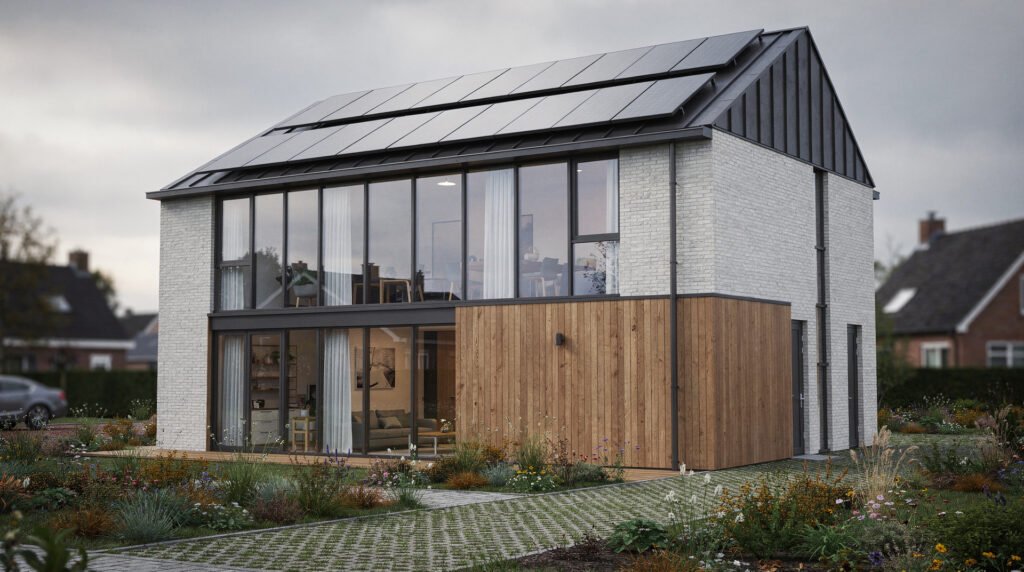
Zero-Energy Homes in the Netherlands: What to Expect
Zero energy homes have been gaining popularity in the Netherlands, and for good reason. As climate change drives demand for energy efficiency, it has become a priority for homeowners, architects, and builders alike. This article looks at the future of zero energy homes in the Netherlands, including their benefits, design principles, and practical tips for sustainable living.
Introduction to Zero Energy Homes
A zero energy home is a building that produces as much energy as it consumes over the course of a year. This is achieved through a combination of energy-efficient design, renewable energy systems, and advanced building technologies. The benefits of zero energy homes are numerous, including reduced energy bills, lower carbon emissions, and improved indoor air quality.
Basic Concepts
To understand the concept of zero energy homes, it’s essential to familiarize yourself with some key terms and concepts. These include:
- Energy-efficient design: This refers to the use of design principles and materials that minimize energy consumption, such as insulation, double glazing, and solar shading.
- Renewable energy systems: These include systems such as solar panels, wind turbines, and heat pumps, which generate energy from natural sources.
- Building information modeling (BIM): This is a digital tool used to design and analyze building performance, including energy efficiency and sustainability.
Benefits of Zero Energy Homes
The benefits of zero energy homes are numerous and well-documented. Some of the most significant advantages include:
- Reduced energy bills: By producing as much energy as they consume, zero energy homes can significantly reduce energy bills and save homeowners money.
- Lower carbon emissions: Zero energy homes produce little to no greenhouse gas emissions, making them an attractive option for environmentally conscious homeowners.
- Improved indoor air quality: Zero energy homes often feature advanced ventilation systems and materials that improve indoor air quality and promote healthier living.
Design Principles for Zero Energy Homes
Designing a zero energy home requires careful consideration of several key principles, including:
- Orienting the building to maximize natural light and heat
- Using insulation and draught-proofing to minimize heat loss
- Installing renewable energy systems, such as solar panels or wind turbines
- Using energy-efficient appliances and lighting
Zero Energy Homes in the Netherlands
The Netherlands has been at the forefront of sustainable building practices, and zero energy homes are no exception. In recent years, the Dutch government has implemented several initiatives to encourage the development of zero energy homes, including:
- The Energy Performance of Buildings Directive (EPBD), which sets minimum energy efficiency standards for new buildings
- The Dutch Green Deal, which provides incentives for homeowners and builders to adopt sustainable building practices
Practical Tips for Achieving Zero Energy Homes
If you’re considering building or renovating a zero energy home in the Netherlands, here are some practical tips to keep in mind:
- Work with an experienced architect or builder who has expertise in sustainable design and construction
- Conduct a thorough energy assessment to identify areas of energy inefficiency
- Invest in energy-efficient appliances and lighting
- Consider installing renewable energy systems, such as solar panels or a heat pump
Challenges and Opportunities
While zero energy homes offer many benefits, there are also several challenges and opportunities to consider. These include:
- Higher upfront costs: Zero energy homes often require significant investment in renewable energy systems and energy-efficient materials.
- Limited availability of sustainable materials: The availability of sustainable materials, such as recycled insulation and low-carbon concrete, can be limited in some regions.
- Opportunities for innovation: The development of zero energy homes presents opportunities for innovation and entrepreneurship, particularly in the fields of renewable energy and sustainable materials.
Conclusion
The future of zero energy homes in the Netherlands looks promising. With the Dutch government’s commitment to sustainable building practices and growing demand for energy-efficient homes, zero energy homes are likely to become more widespread in the years ahead. By understanding the benefits, design principles, and practical steps involved, homeowners and builders can work together to create sustainable homes that support healthier living and reduce environmental impact.
Research and Statistics
According to recent research, the number of zero energy homes in the Netherlands is expected to increase significantly in the coming years. A study by the Dutch Ministry of the Interior and Kingdom Relations found that:
- The number of zero energy homes in the Netherlands is expected to increase from 10,000 in 2020 to 50,000 by 2030
- The market for zero energy homes is expected to grow by 20% annually between 2020 and 2030
- The average cost of building a zero energy home in the Netherlands is around €250,000, which is approximately 10% higher than the cost of building a traditional home
Tables and Figures
The following tables and figures illustrate the growth of the zero energy home market in the Netherlands:
Year: 2020
Number of Zero Energy Homes: 10,000
Year: 2025
Number of Zero Energy Homes: 30,000
Year: 2030
Number of Zero Energy Homes: 50,000
Figure 1: Growth of the zero energy home market in the Netherlands (2020-2030)
Note: The data in this table and figure are based on a study by the Dutch Ministry of the Interior and Kingdom Relations and are subject to change.