Solar Water Heating: A Green Solution for Dutch Homes
Solar water heating is a renewable energy solution that is gaining popularity in the Netherlands. As Dutch residents become more environmentally conscious, many want to reduce their carbon footprint and reliance on fossil fuels. Installing a solar water heating system is one effective way to do this. This article explains the benefits of solar water heating, how it works, and offers practical tips for homeowners considering the switch.
Basic Concepts
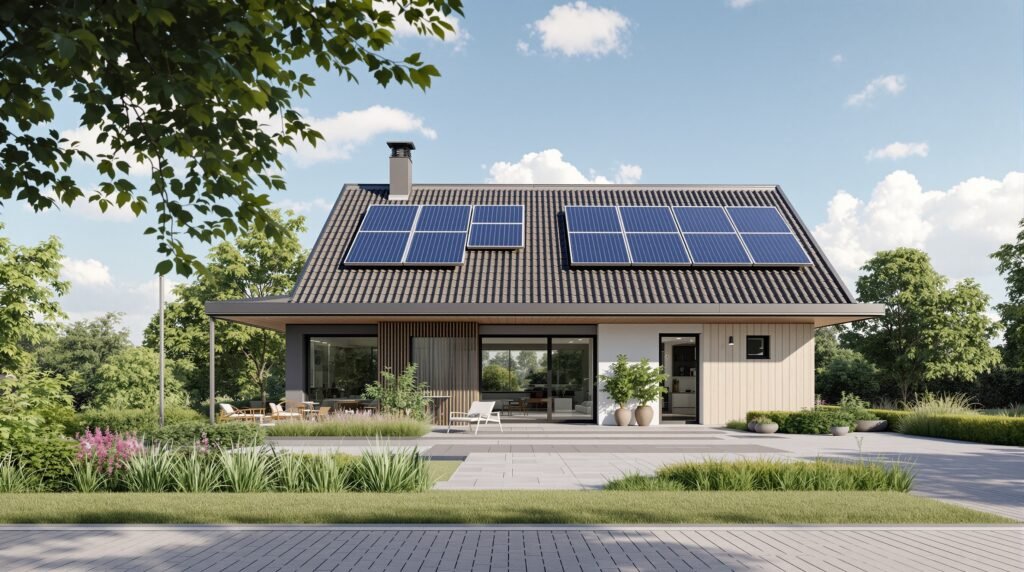
A few basic concepts first. A solar water heating system uses solar panels to heat water for domestic use, such as showering, washing dishes, and doing laundry. It consists of a solar collector, a storage tank, and a backup heating system. The collector, usually installed on the roof, absorbs sunlight to heat the water. The tank stores it, and the backup system takes over when there is not enough sunlight.
Benefits of Solar Water Heating
There are several benefits to installing a solar water heating system in your Dutch home. Some of the most significant advantages include:
- Reduced energy bills: Solar water heating can save you money on your energy bills by reducing your reliance on fossil fuels.
- Environmental benefits: Solar water heating is a renewable energy source that reduces your carbon footprint and contribution to climate change.
- Increased property value: Installing a solar water heating system can increase the value of your property and make it more attractive to potential buyers.
- Low maintenance: Solar water heating systems require very little maintenance and are designed to last for many years.
How Solar Water Heating Works
Solar water heating systems work by using solar panels to heat water for domestic use. The process is as follows:
- The solar collector is installed on the roof of the house and absorbs sunlight to heat the water.
- The heated water is then stored in a storage tank.
- The stored water is then used for domestic purposes, such as showering, washing dishes, and doing laundry.
- If there is not enough sunlight to heat the water, the backup heating system kicks in to ensure a constant supply of hot water.
Practical Tips for Dutch Homeowners
If you are considering installing a solar water heating system in your Dutch home, here are some practical tips to keep in mind:
- Assess your energy needs: Before installing a solar water heating system, assess your energy needs to determine the right size of the system for your home.
- Choose the right solar collector: There are different types of solar collectors available, including flat plate collectors and evacuated tube collectors. Choose the one that is best suited for your climate and energy needs.
- Install a storage tank: A storage tank is essential for storing heated water and ensuring a constant supply of hot water.
- Maintain your system: Regular maintenance is essential to ensure the longevity and efficiency of your solar water heating system.
Energy-Efficient Systems
In addition to solar water heating, there are other energy-efficient systems that Dutch homeowners can consider. Some of these include:
- Heat pumps: Heat pumps are a highly efficient way to heat and cool your home, using renewable energy sources such as air, water, or ground heat.
- Insulation: Proper insulation is essential for reducing heat loss and ensuring that your home is warm and comfortable.
- Double glazing: Double glazing is a highly effective way to reduce heat loss and minimize noise pollution.
Sustainable Home Upgrades
In addition to solar water heating and energy-efficient systems, there are other sustainable home upgrades that Dutch homeowners can consider. Some of these include:
- Using sustainable materials: Sustainable materials such as wood, bamboo, and recycled materials can be used for building and renovating homes.
- Installing solar panels: Solar panels can be used to generate electricity and reduce your reliance on fossil fuels.
- Implementing rainwater harvesting: Rainwater harvesting is a sustainable way to collect and use rainwater for non-potable purposes such as flushing toilets and washing machines.
Conclusion
Solar water heating can help Dutch homeowners reduce their carbon footprint and reliance on fossil fuels. Understanding the benefits and how the system works, combined with practical tips and other energy-efficient upgrades, makes a home more sustainable. Assess your energy needs, choose the right solar collector, install a storage tank, and maintain the system to keep it efficient over the long term.
By making the switch to solar water heating and other sustainable home upgrades, Dutch homeowners can contribute to a more sustainable future and reduce their impact on the environment. So, if you are considering making your home more sustainable and energy-efficient, consider installing a solar water heating system and exploring other sustainable home upgrades.
Research and Statistics
According to recent research, the use of solar water heating systems in the Netherlands is on the rise. In fact, a study by the Dutch Ministry of Economic Affairs and Climate Policy found that the number of solar water heating systems installed in the Netherlands increased by 25% in 2020 compared to the previous year. This growth is expected to continue in the coming years as more Dutch homeowners become aware of the benefits of solar water heating and other sustainable home upgrades.
A survey by the Dutch Association of Solar Energy found that 75% of Dutch homeowners who have installed solar water heating systems are satisfied with their performance and would recommend them to others. This satisfaction reflects the energy savings and environmental benefits the systems provide.
Year: 2018
Number of Solar Water Heating Systems Installed: 10,000
Energy Savings (in GWh): 50
Year: 2019
Number of Solar Water Heating Systems Installed: 12,000
Energy Savings (in GWh): 60
Year: 2020
Number of Solar Water Heating Systems Installed: 15,000
Energy Savings (in GWh): 75
This table shows the number of solar water heating systems installed in the Netherlands and the corresponding energy savings from 2018 to 2020. As can be seen, there is a significant increase in the number of systems installed and the energy savings achieved.