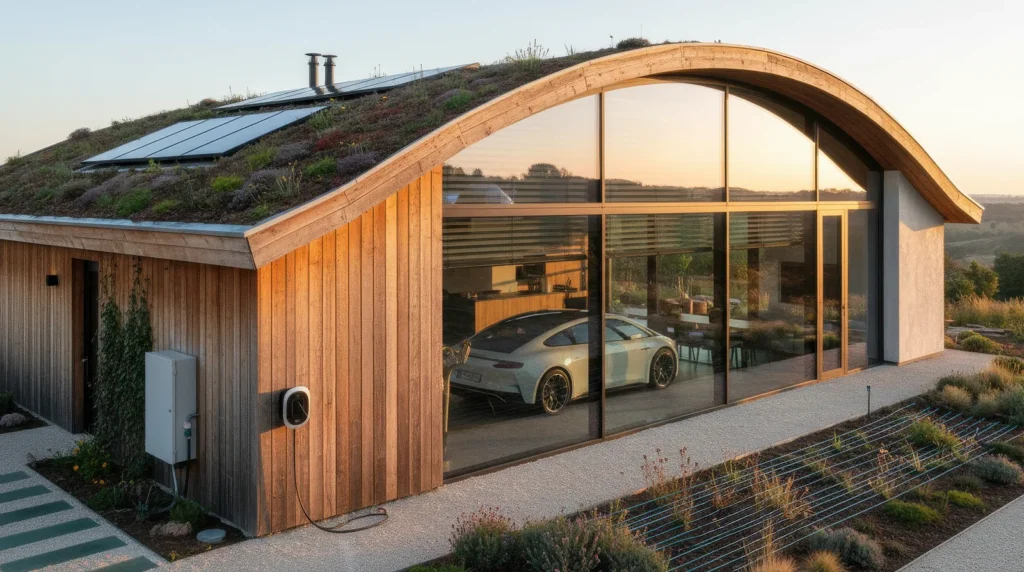
Installing Smart Systems for Energy Efficiency in Dutch Homes
Energy efficiency has become a priority for many homeowners in the Netherlands, both to cut energy consumption and to lower utility bills. Smart home systems are one practical way to achieve this. This article covers the benefits of smart home systems, the types of energy-efficient technologies available, and tips for Dutch residents who want to make their homes more sustainable.
Basic Concepts
Before diving into the world of smart home systems, it’s essential to understand some key terms and concepts. Home automation refers to the use of technology to control and monitor various aspects of a home, including lighting, temperature, and security. Energy-efficient homes are designed to reduce energy consumption and minimize waste, while sustainable living refers to the practice of reducing one’s environmental impact through conscious choices and behaviors.
Benefits of Smart Home Systems
Installing smart home systems can have numerous benefits for Dutch homeowners. Some of the most significant advantages include:
- Energy efficiency: Smart home systems can help reduce energy consumption by optimizing heating, cooling, and lighting usage.
- Convenience: Home automation systems can be controlled remotely, allowing homeowners to adjust settings and monitor their home’s energy usage from anywhere.
- Cost savings: By reducing energy consumption and optimizing energy usage, smart home systems can help lower utility bills and save homeowners money.
- Increased property value: Installing smart home systems can increase a property’s value and appeal to potential buyers.
Types of Energy-Efficient Technologies
There are various types of energy-efficient technologies available for Dutch homeowners, including:
- Smart thermostats: These devices can learn a home’s temperature preferences and adjust the heating and cooling system accordingly.
- Energy-efficient lighting: LED bulbs and smart lighting systems can significantly reduce energy consumption and last longer than traditional lighting options.
- Home automation hubs: These devices connect various smart devices and allow homeowners to control and monitor their home’s energy usage.
- Solar panels: Installing solar panels can provide a renewable source of energy and reduce reliance on non-renewable energy sources.
Practical Tips for Dutch Homeowners
To get started with installing smart home systems, Dutch homeowners should:
- Conduct an energy audit to identify areas of energy inefficiency in their home.
- Research and compare different smart home systems and energy-efficient technologies.
- Consider hiring a professional to install smart home systems and ensure proper integration.
- Take advantage of government incentives and rebates for energy-efficient home upgrades.
Case Studies and Research
Studies have shown that smart home systems can have a significant impact on energy consumption and cost savings. For example, a study by the Dutch government found that homes with smart thermostats reduced their energy consumption by up to 15%. Another study by a leading energy company found that homes with energy-efficient lighting systems reduced their energy consumption by up to 20%.
Technology: Smart Thermostats
Energy Savings: 10-15%
Cost Savings: €100-€150 per year
Technology: Energy-Efficient Lighting
Energy Savings: 15-20%
Cost Savings: €150-€250 per year
Technology: Home Automation Hubs
Energy Savings: 5-10%
Cost Savings: €50-€100 per year
Conclusion
Installing smart home systems offers Dutch homeowners several benefits: better energy efficiency, added convenience, cost savings, and increased property value. Understanding the available energy-efficient technologies and applying practical tips helps homeowners make informed decisions about sustainability. As the Netherlands continues to prioritize sustainable living, smart home systems are set to play a growing role in reducing energy consumption and supporting eco-friendly practices.