Cultural Influences: Diverse Window and Door Styles in Modern Dutch Homes
In the Netherlands, cultural influences play a significant role in shaping the aesthetic and functionality of windows and doors. Dutch architecture combines traditional and modern elements, reflecting the country’s history and openness to multicultural influences. This article explores the diverse window and door styles found in modern Dutch homes, their cultural significance, and the design elements they integrate.
Basic Concepts
Understanding the basic concepts of Dutch architecture is essential for appreciating the cultural influences on window and door designs. Key terms include:
- Cultural Window Styles: These refer to the various window designs influenced by Dutch culture and history, often characterized by large, spacious windows with minimal use of curtains.
- Diverse Door Designs: This includes the iconic Dutch doors, also known as stable doors, which are divided horizontally to allow for independent movement of the top and bottom sections.
- Modern Dutch Architectural Influences: These involve contemporary design trends that incorporate historical elements with modern materials and technologies.
- Multicultural Home Design: Combining cultural elements in a home, reflecting the Netherlands’ cultural diversity.
Cultural Influences on Window Styles
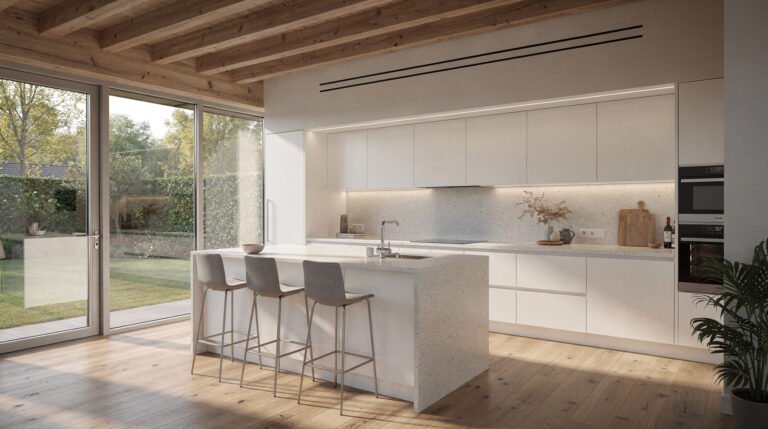
Windows in Dutch homes are often large and spacious, with minimal use of curtains, reflecting a cultural preference for openness and transparency. This design choice is not only aesthetically pleasing but also serves practical purposes, such as maximizing sunlight and providing a view of the outside environment.
Historically, the lack of curtains in Dutch windows may stem from the Calvinist belief in honesty and transparency: homeowners had nothing to hide. The window design also allows for artistic displays, inviting passersby to admire the interior decor.
Diverse Door Designs in Dutch Homes
Dutch doors, or stable doors, are a hallmark of Dutch architecture, offering both functionality and style. These doors are divided into two sections, allowing the top half to open independently while keeping the bottom half closed. This design provides excellent ventilation while maintaining security and keeping animals out.
The origins of Dutch doors date back to the 17th century, where they were used in farmhouses to regulate airflow and confine animals. Today, they are a popular choice for both traditional and modern homes, adding a touch of nostalgia and charm.
Modern Dutch Architectural Influences
Modern Dutch architecture blends traditional elements with contemporary design trends, incorporating materials like wood, steel, and glass. This fusion of old and new creates unique and functional spaces that reflect the country’s cultural diversity.
For example, modern farmhouse designs often include Dutch doors as a nod to traditional architecture, while also incorporating modern elements like large windows and minimalist decor. This blend of styles not only enhances the aesthetic appeal of homes but also improves functionality.
Multicultural Home Design in the Netherlands
The Netherlands is a culturally diverse country, and this diversity is reflected in home design. Multicultural influences can be seen in the mix of architectural styles, materials, and decorative elements from different cultures.
Homeowners in the Netherlands often incorporate elements from international designs, such as French windows or Italian tilework. This multicultural approach enriches the country’s architecture, making it distinctive and varied.
Practical Tips for Incorporating Cultural Elements
To incorporate cultural elements into your home design, consider the following tips:
- Blend Traditional with Modern: Combine historical architectural elements, like Dutch doors, with modern materials and technologies to create a unique and functional space.
- Use Local Materials: Incorporate local materials and craftsmanship to add authenticity to your design.
- Emphasize Natural Light: Maximize natural light by using large windows, a common feature in Dutch architecture.
- Integrate Multicultural Elements: Incorporate design elements from different cultures to reflect the Netherlands’ cultural diversity.
Conclusion
The cultural influences on window and door styles in modern Dutch homes reflect the country’s history and openness to multiculturalism. Understanding and incorporating these elements can help homeowners create spaces that are both attractive and culturally meaningful. Whether renovating an older home or building a new one, these influences can add character and functionality to your living space.
Summary of Key Points
The following table summarizes the key points discussed in this article:
Concept: Cultural Window Styles
Description: Large, spacious windows with minimal curtains
Cultural Significance: Reflects openness and transparency in Dutch culture
Concept: Diverse Door Designs
Description: Dutch doors with independent top and bottom sections
Cultural Significance: Combines functionality with traditional charm
Concept: Modern Dutch Architectural Influences
Description: Blend of traditional and modern design elements
Cultural Significance: Reflects cultural diversity and adaptability
Concept: Multicultural Home Design
Description: Integration of various cultural design elements
Cultural Significance: Enriches Dutch architecture with diversity
By embracing these cultural influences and incorporating them into your home design, you can create a space that not only reflects the beauty of Dutch architecture but also celebrates the country’s rich cultural heritage.