Innovative Storage: Incorporating Built-Ins During Home Extensions
Innovative Storage: Incorporating Built-Ins During Home Extensions
Introduction
In the Netherlands, where space is often scarce, especially in urban areas, smart storage keeps a home organized and clutter-free. During home extensions, built-in storage can improve both the functionality and appearance of your living space. This article covers why built-in storage matters in extensions and how to use space efficiently.
Basic Concepts: Understanding Dutch Home Layouts and Storage Needs
Typical Dutch homes, particularly in urban areas, have narrow spaces, steep staircases, and high ceilings. These characteristics bring both challenges and opportunities for creative storage. Before starting any extension or renovation, it helps to understand the core principles of efficient home organization.
- Decluttering: Start by keeping only what you need or love.
- Maximizing Vertical Space: Use shelves, hooks, and wall-mounted units to make the most of your home’s vertical space.
- Multi-Functional Furniture: Incorporate furniture with hidden compartments, such as ottomans or coffee tables with storage.
- Everything in Its Place: Maintain an orderly environment by assigning a designated place for each item.
Planning Your Home Extension with Built-In Storage
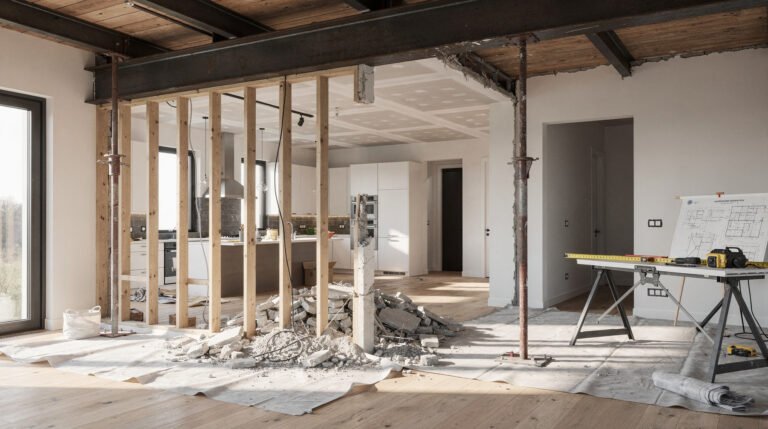
When planning a home extension, assess your storage needs early and plan built-in storage solutions from the start.
Assessing Space Requirements
Determine what additional spaces you need, such as extra bedrooms, larger communal areas, or dedicated workspaces. Consider how built-in storage can enhance these new spaces.
Understanding Zoning Laws and Regulations
Make sure your extension complies with Dutch zoning laws and building regulations. Consulting local authorities and working with experienced architects and contractors can help you meet these requirements.
Budgeting
Develop a realistic budget that includes design, construction, permits, and contingency funds for unexpected expenses. Built-in storage solutions can be more cost-effective in the long run by optimizing space and reducing the need for additional furniture.
Innovative Built-In Storage Solutions for Different Rooms
Entryway and Hallway
- Slim Shoe Cabinets: Perfect for narrow hallways, these cabinets keep shoes organized and out of the way.
- Wall-Mounted Hooks: Ideal for coats, bags, and other items that need to be hung.
- Under-Stairs Storage: Custom-built drawers or shelves under the stairs offer practical storage without taking up extra floor space.
Living Room
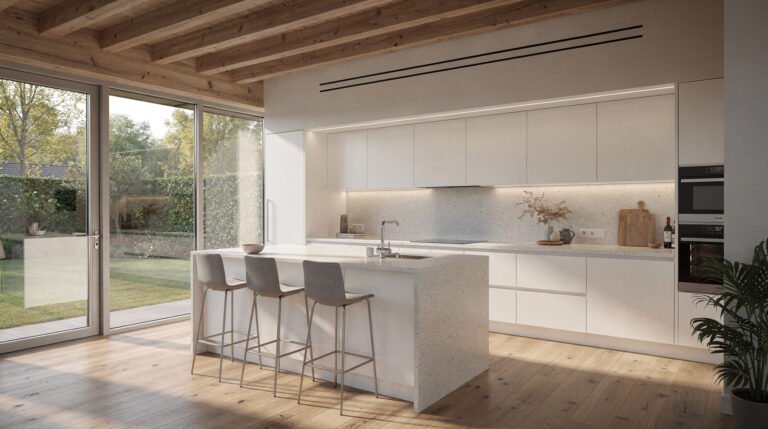
- Built-In Wall Units: These not only offer ample storage but also serve as stylish focal points.
- Floating Shelves: Allow flexibility for books, decor, and electronics while maintaining a sleek appearance.
- Multi-Functional Furniture: Coffee tables and ottomans with hidden compartments provide discreet storage.
Kitchen
- Pull-Out Pantry Systems: Optimize space in small kitchens by using pull-out pantries and corner cabinet accessories like Lazy Susans.
- Ceiling-Mounted Pot Racks: Keep countertops clear while ensuring essentials are within reach.
- Magnetic Strips: Use magnetic strips for knives and utensil holders to keep the kitchen organized.
Bedroom
- Under-Bed Storage Drawers: Keep clothing, shoes, and personal items tidy without sacrificing valuable floor space.
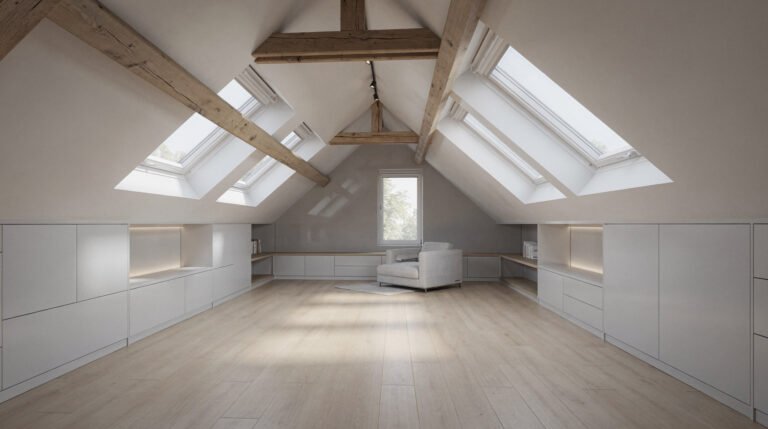
- Wardrobe Organising Systems: Built-in wardrobes tailored to fit awkward corners or sloped ceilings can maximize storage.
- Over-Door Hanging Organisers: Perfect for hanging clothes, bags, or accessories.
Bathroom
- Wall-Mounted Cabinets: Create storage without encroaching on space.
- Shelving Above the Toilet: The space above the toilet is often wasted, so add shelves for extra storage.
- Recessed Shower Niches: Provide storage for bathroom essentials without compromising on space.
Design Considerations for Built-In Storage
Architectural Integration
Make sure your built-in storage matches your home’s original style and preserves the character of Dutch architecture. This can mean choosing materials and designs that complement the existing structure.
Natural Light
Maximize natural light with skylights, large windows, and open layouts to create bright, welcoming spaces. Built-in storage can be designed to work around these elements without blocking the light.
Energy Efficiency
Incorporate insulation, energy-efficient windows, and renewable energy systems to lower your carbon footprint. Built-in storage can be designed with energy efficiency in mind, such as using sustainable materials.
Outdoor Balance
Preserve or enhance outdoor spaces to maintain a connection with nature. Built-in storage solutions can be designed to support this balance, such as outdoor storage units for gardening tools or patio furniture.
Practical Tips for Implementing Built-In Storage
Measure Carefully
Ensure accurate measurements to fit your built-in storage solutions perfectly into the available space.
Choose the Right Materials
Select materials that are durable, sustainable, and align with Dutch interior design trends, such as minimalist shelving, natural wood finishes, and subtle color palettes.
Label and Maintain
Implement a labelling system to keep track of stored items and schedule regular decluttering sessions to prevent accumulation. Rotate seasonal items to ensure that only relevant belongings occupy prime storage real estate at any given time[1].
Case Studies: Successful Built-In Storage in Dutch Home Extensions
Consider the example of a family in Amsterdam who transformed their narrow hallway with a combination of wall-mounted hooks, a slim shoe cabinet, and custom-built under-stair drawers. This innovative use of built-in storage turned a once-cluttered area into an organized and functional space.
In another example, a Utrecht homeowner made use of high ceilings in their living room by installing floating shelves and a modular entertainment unit. The design provided ample storage while enhancing the room’s appearance, combining function with style.
Sustainability in Built-In Storage
Sustainability is a growing concern for many homeowners. When designing built-in storage, consider using eco-friendly materials like bamboo, reclaimed wood, and recycled plastic. These materials offer durable and sustainable storage options while promoting a more intentional lifestyle.
Professional Help
If incorporating built-in storage during your home extension feels overwhelming, consider hiring a professional. Dutch interior designers and contractors can provide custom solutions that match your home’s aesthetic, combining functionality and style. Their expertise can save time and effort, especially for complex storage needs[1].
Conclusion
Incorporating built-in storage during home extensions can transform Dutch homes, turning even small spaces into efficient and stylish ones. By combining creativity, functionality, and design, homeowners can solve common storage challenges while improving their living environment. Whether you do it yourself or hire a professional, well-planned built-in storage will make your home more organized and comfortable. Following these guidelines can help ensure your extension adds space and fits with the rest of your home.