Renovating Historic Homes in the Netherlands: Key Considerations
Renovating a historic home in the Netherlands requires more than choosing attractive finishes. The building may contain valuable fabric, unusual construction, previous alterations and moisture risks. Energy measures also need to respect appearance, performance and reversibility. Before fixing a design, establish the property’s status, study the building and check the applicable permit route.
Confirm the status and permission route
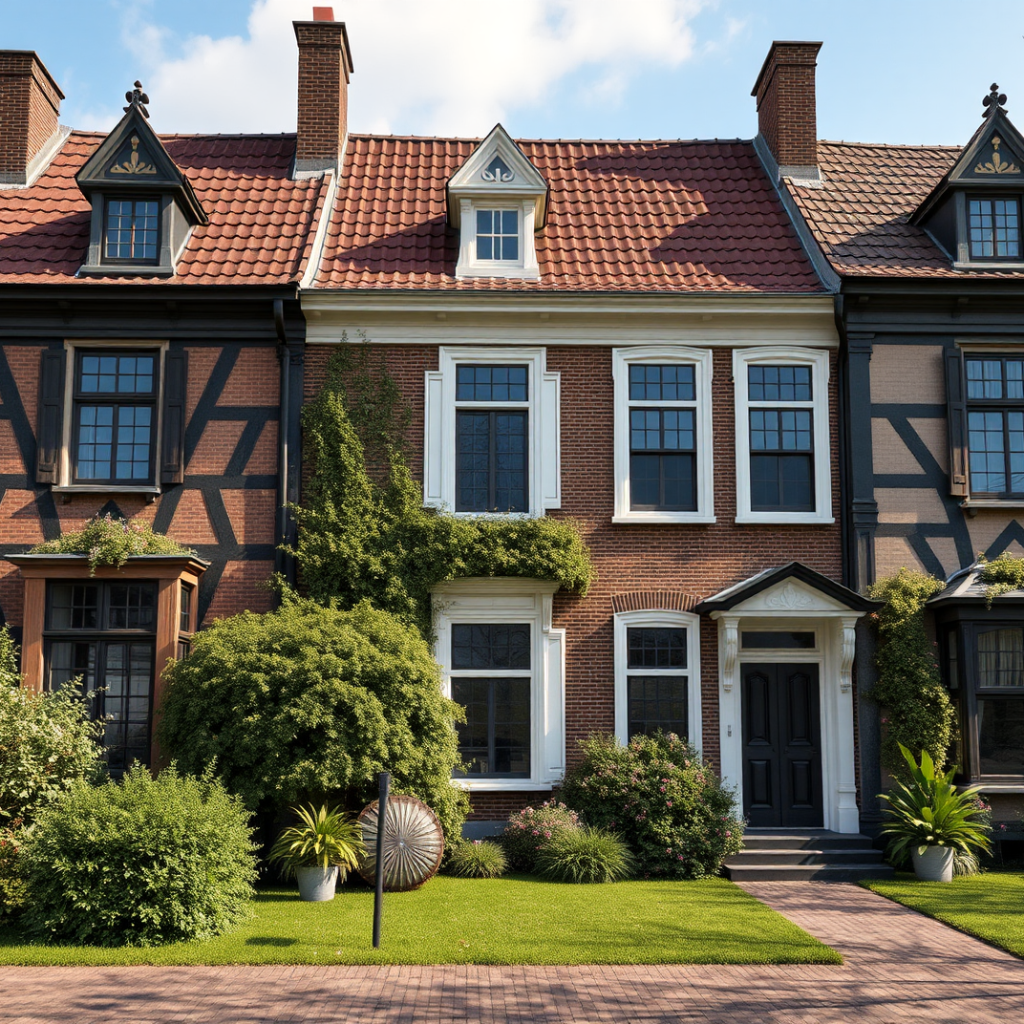
First check whether the property is a rijksmonument, municipal monument or another protected building, and review the environmental plan. For a rijksmonument or municipal monument, replacing historic fabric or adding energy measures can require an omgevingsvergunning. The requirement is address- and proposal-specific. Use the Omgevingsloket and, where relevant, the municipality’s heritage information before ordering work.
Do not assume that advice for one city or monument applies everywhere. Amsterdam has its own permit and heritage information, while another municipality may use different procedures. A pre-application discussion can clarify what documentation, drawings and heritage input will be expected.
Survey the building before intervention
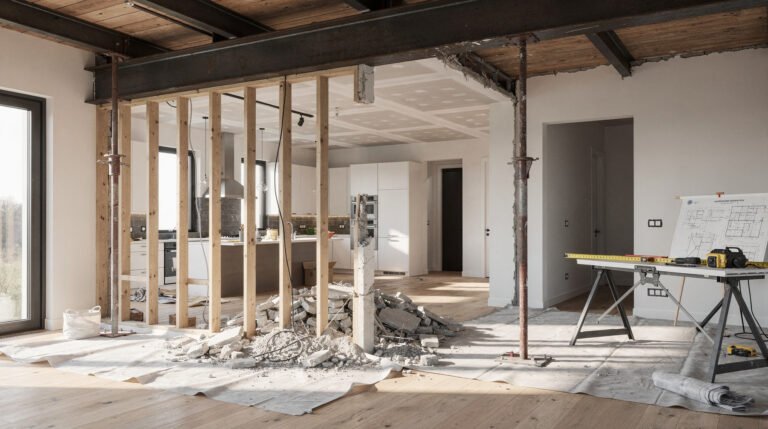
A building survey should record valuable finishes, windows, roof and wall construction, moisture, structure and previous alterations. Photograph and map details before removing coverings. Look for salts, damp masonry, timber decay, movement and poorly ventilated spaces. The survey should also explain how the building dries and where new services can pass without damaging significant fabric.
This evidence supports an intervention plan. It can show which elements should be repaired, which can be adapted and which should remain untouched. It also helps the team distinguish an energy problem from a moisture problem. Adding insulation or sealing a junction without understanding the existing construction can move moisture to an unsafe location.
Balance comfort, energy and character
Window, insulation and ventilation details must be designed together. Improving a window may affect sightlines, frame depth, ventilation and condensation. Internal insulation can alter wall temperatures and junctions. External insulation may change the façade. Mechanical ventilation can improve air exchange, but ducts need routes and service access. There is no single product or detail that will be accepted for every historic building.
Prefer solutions that are compatible with the existing fabric and can be inspected or reversed where appropriate. Specify the complete junction, not only the material. Check thermal bridges, moisture safety, airtightness and appearance. The heritage authority or conservation adviser should review sensitive details before work begins.
Plan construction and living arrangements
- Record the building and confirm monument status before design decisions.
- Check the environmental plan and Omgevingsloket for the permit position.
- Use experienced contractors who can protect historic fabric and document discoveries.
- Coordinate insulation, windows, ventilation and services at junction level.
- Allow time and budget for investigation, approvals and possible changes.
Historic renovations often uncover conditions that were not visible at the start. Build inspection points and decision moments into the programme. If temporary accommodation is needed, allow for approval and construction delays rather than assuming a fixed completion date.
Use official local guidance
The Cultural Heritage Agency provides national guidance on sustainability and permits. Amsterdam also publishes information about monuments and when work may be permit-free, but those pages should not be treated as universal rules for every municipality. Confirm the address-specific position with the relevant authority.
A successful historic renovation begins with evidence and permission, then develops a careful, compatible design. The goal is not to freeze the building or apply a generic modern package, but to improve comfort while retaining significant fabric and controlling moisture, appearance and long-term maintenance.
Official sources and next checks
Rules and product information can change. Before ordering or applying, check the sources that apply to the address and proposed work.