What’s Next for Energy-Efficient Homes in the Netherlands
As the world grapples with the challenges of climate change, energy efficiency has become a top priority in the construction industry. The Netherlands, known for its innovative approach to sustainable living, is at the forefront of this movement. In this article, we will explore the latest trends and developments in energy-efficient design, green architecture, and sustainable living, with a focus on Dutch homes.
Basic Concepts: Understanding Energy Efficiency in Homes
Before we dive into the latest trends, it’s essential to understand the basic concepts of energy efficiency in homes. Energy efficiency refers to the use of technology and design principles to reduce energy consumption while maintaining or improving the comfort and livability of a home. In the Netherlands, energy-efficient homes are designed to minimize energy consumption, reduce greenhouse gas emissions, and promote sustainable living.
Some key terms to understand include:
- Passive house design: a design principle that aims to reduce energy consumption by using natural insulation, sunlight, and ventilation.
- Renewable energy sources: energy sources such as solar, wind, and geothermal power that reduce reliance on fossil fuels.
- Sustainable materials: materials that are environmentally friendly, durable, and require minimal maintenance.
Current Trends in Energy-Efficient Design
In the Netherlands, energy-efficient design is becoming increasingly popular, driven by government incentives, technological advancements, and growing consumer demand. Some current trends include:
- Integration of renewable energy sources: Dutch homes are increasingly incorporating solar panels, wind turbines, and geothermal systems to reduce reliance on fossil fuels.
- Passive house design: Passive house design principles are being applied to new constructions, resulting in homes that require minimal heating and cooling.
- Smart home technology: Smart home systems are being integrated into Dutch homes, allowing homeowners to monitor and control energy consumption, temperature, and lighting remotely.
Future of Construction: Emerging Trends and Technologies
As the construction industry continues to evolve, we can expect to see new trends and technologies emerge. Some of these include:
- Modular construction: modular construction techniques that allow for faster, more efficient building processes and reduced waste.
- Energy-harvesting materials: materials that can harness and convert energy from the environment, such as solar roofs and kinetic flooring.
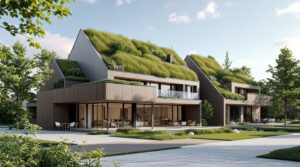
- Biophilic design: design principles that incorporate natural elements, such as green roofs, living walls, and natural ventilation systems.
Practical Tips for Energy-Efficient Home Renovations
If you’re considering renovating your home in the Netherlands, here are some practical tips to keep in mind:
- Conduct an energy audit: assess your home’s energy consumption and identify areas for improvement.
- Insulate and seal air leaks: reduce heat loss and prevent air leaks by insulating walls, floors, and ceilings.
- Install energy-efficient windows: replace old windows with energy-efficient, double-glazed windows that reduce heat transfer.
Conclusion: The Future of Energy-Efficient Homes in the Netherlands
In conclusion, the future of energy-efficient homes in the Netherlands looks bright. With a growing focus on sustainable living, green architecture, and energy-efficient design, Dutch homes are becoming increasingly environmentally friendly. By incorporating renewable energy sources, passive house design principles, and smart home technology, homeowners can reduce energy consumption, lower energy bills, and promote sustainable living.
As the construction industry continues to evolve, we can expect to see emerging trends and technologies, such as modular construction, energy-harvesting materials, and biophilic design. By staying informed and taking practical steps towards energy-efficient home renovations, Dutch residents can contribute to a more sustainable future and reduce their carbon footprint.