Lighting Tips for an Energy-Efficient Home
As a homeowner in the Netherlands, you are likely aware of the importance of energy efficiency in reducing your environmental footprint and saving on your utility bills. One often overlooked aspect of home renovation is lighting, which can significantly impact your energy consumption. In this article, we will provide you with practical tips and strategies for implementing energy-efficient lighting solutions in your home, tailored to the Dutch home design and climate.
Basic Concepts: Understanding Energy-Efficient Lighting
Before we dive into the tips and recommendations, it’s essential to understand the basic concepts of energy-efficient lighting. Energy-efficient lighting refers to the use of lighting solutions that consume less energy while maintaining or improving the quality of light. This can be achieved through the use of energy-efficient light bulbs, clever lighting design, and smart lighting controls. In the Netherlands, where energy efficiency is a top priority, it’s crucial to consider the environmental impact of your lighting choices.
Some key terms to know include:
- LED (Light Emitting Diode) bulbs: These bulbs use significantly less energy than traditional incandescent bulbs and can last up to 25 times longer.
- Smart lighting: This refers to lighting systems that can be controlled remotely or automatically adjusted based on factors like time of day, occupancy, and natural light levels.
- Lumen: A unit of measurement for the amount of light produced by a bulb.
Choosing the Right Light Bulbs
When it comes to energy-efficient lighting, the type of light bulb you choose is crucial. In the Netherlands, you can find a wide range of energy-efficient light bulbs, including LED, halogen, and fluorescent bulbs. Here are some factors to consider when selecting the right bulb for your needs:
- Energy efficiency: Look for bulbs with high energy efficiency ratings, such as LED bulbs with an energy label of A++ or higher.
- Lumen output: Choose bulbs with the right lumen output for your space. A higher lumen output doesn’t always mean better, as it can lead to over-lighting and wasted energy.
- Color temperature: Consider the color temperature of the bulb, which can range from warm white (2700K-3000K) to cool white (3500K-5000K). Warm white bulbs are often preferred for living areas, while cool white bulbs are better suited for task-oriented spaces like kitchens and home offices.
The following table provides an overview of the most common types of energy-efficient light bulbs:
| Bulb Type | Energy Efficiency | Lumen Output | Color Temperature |
|---|---|---|---|
| LED | A++ | 800-1100 lumens | 2700K-5000K |
| Halogen | A+ | 600-1000 lumens | 2800K-3000K |
| Fluorescent | A | 400-800 lumens | 3500K-4100K |
Designing an Energy-Efficient Lighting Plan
A well-designed lighting plan can help you achieve energy efficiency while also enhancing the ambiance and functionality of your home. Here are some tips to consider:
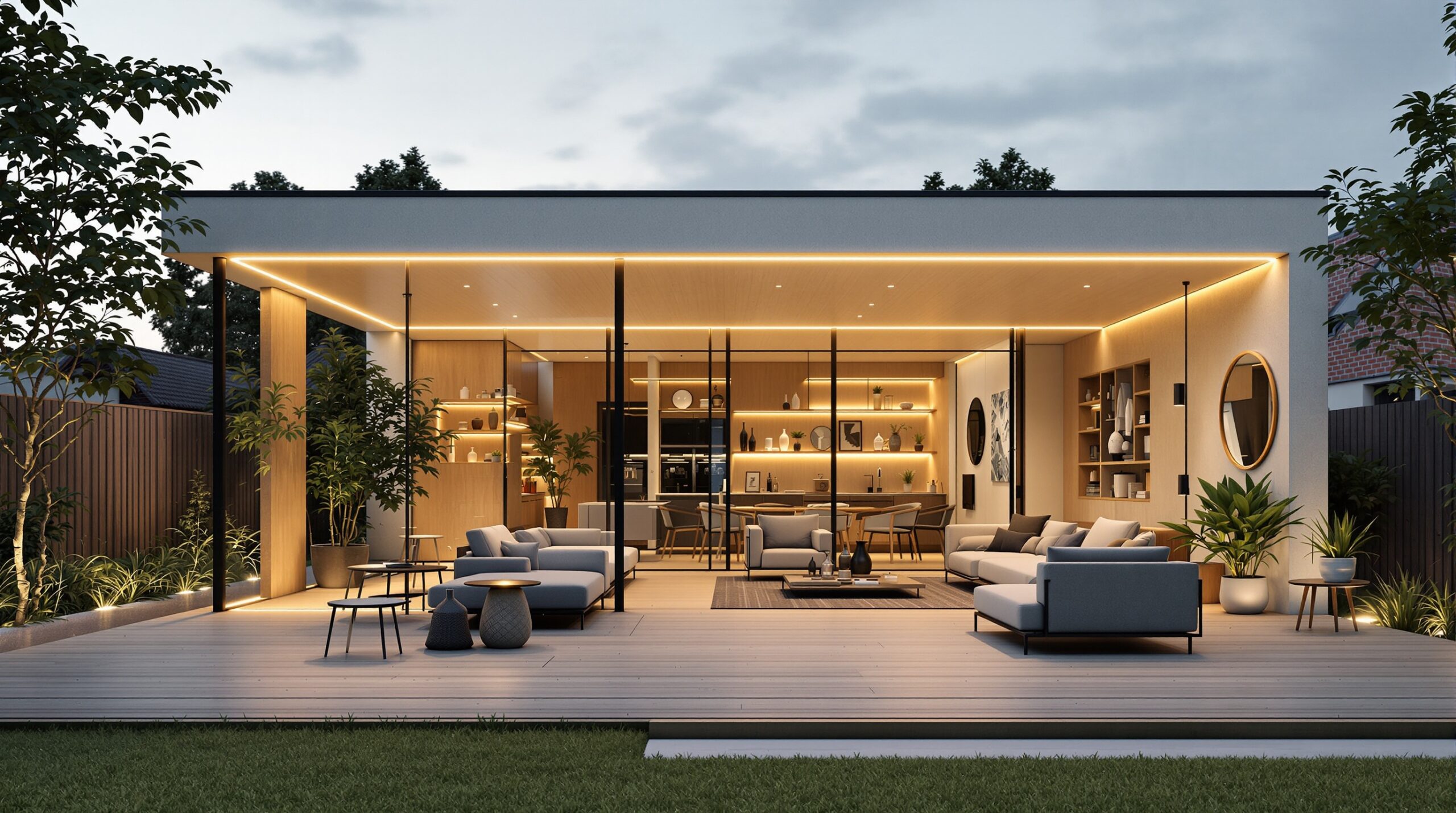
- Layer your lighting: Use a combination of ambient, task, and accent lighting to create a layered lighting effect that reduces the need for excessive overhead lighting.
- Use natural light: Take advantage of natural light by placing windows and skylights strategically and using reflective surfaces to bounce light around your home.
- Install smart lighting controls: Smart lighting controls can help you automate your lighting system, turning lights on and off or adjusting brightness levels based on occupancy, time of day, and other factors.
By following these tips and strategies, you can create an energy-efficient lighting plan that not only reduces your energy consumption but also enhances the overall aesthetic and functionality of your home.
Practical Tips for Dutch Homeowners
As a homeowner in the Netherlands, you may face unique challenges and opportunities when it comes to energy-efficient lighting. Here are some practical tips tailored to the Dutch climate and home design:
- Take advantage of the Netherlands’ generous daylight: Use light-colored walls, floors, and ceilings to reflect natural light and reduce the need for artificial lighting.
- Consider the Dutch concept of “woonwereld”: This refers to the idea of creating a cozy and welcoming atmosphere in your home, often achieved through the use of warm, soft lighting.
- Use energy-efficient outdoor lighting: Outdoor lighting can be a significant contributor to energy consumption, so consider using energy-efficient options like solar-powered or LED outdoor lights.
Conclusion: Creating an Energy-Efficient Home with Sustainable Lighting
By implementing energy-efficient lighting solutions and designing a clever lighting plan, you can significantly reduce your energy consumption and create a more sustainable home. Remember to choose the right light bulbs, consider the unique challenges and opportunities of the Dutch climate and home design, and take advantage of smart lighting controls and natural light. With these tips and strategies, you can create a cozy, functional, and eco-friendly home that benefits both you and the environment.
Start by assessing your current lighting situation and identifying areas for improvement. Consider consulting with a professional to create a personalized lighting plan that meets your specific needs and goals. With a little creativity and expertise, you can transform your home into an energy-efficient oasis that shines bright for years to come.