Integrating Solar Panels in Your Home Renovation
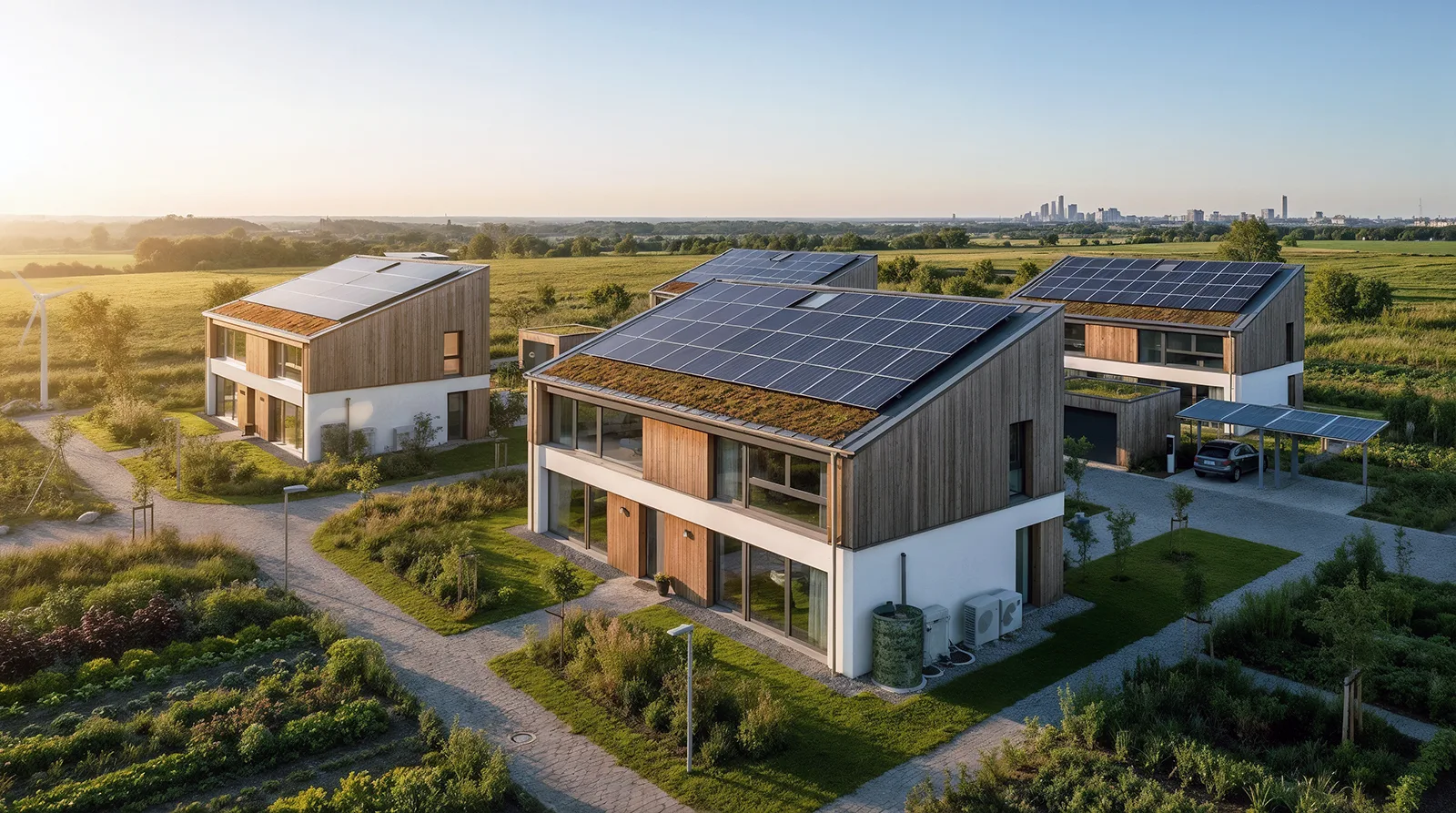
As a homeowner in the Netherlands, you are likely no stranger to the importance of sustainable living and reducing your carbon footprint. One of the most effective ways to achieve this is by integrating solar panels into your home renovation project. Not only can solar panels help reduce your energy bills, but they can also increase the value of your property and contribute to a cleaner environment. In this article, we will delve into the world of solar panels and explore how you can incorporate them into your home renovation plans.
Basic Concepts
Before we dive into the nitty-gritty of integrating solar panels into your home renovation, it’s essential to understand some basic concepts. Solar panels, also known as photovoltaic (PV) panels, convert sunlight into electricity. This electricity can then be used to power your home, reducing your reliance on the grid and lowering your energy bills. There are several types of solar panels available, including monocrystalline, polycrystalline, and thin-film panels, each with its own unique characteristics and benefits.
Benefits of Solar Panels
The benefits of solar panels are numerous and well-documented. Some of the most significant advantages include:
- Reduced energy bills: Solar panels can help reduce your energy bills by generating free electricity from sunlight.
- Increased property value: Homes with solar panels are often more attractive to potential buyers and can increase the value of your property.
- Environmental benefits: Solar panels produce clean, renewable energy, reducing your carbon footprint and contributing to a sustainable future.
- Low maintenance: Solar panels require minimal maintenance and are designed to last for many years.
- Government incentives: The Dutch government offers various incentives for homeowners who install solar panels, including tax credits and grants.
Types of Solar Panels
There are several types of solar panels available, each with its own unique characteristics and benefits. Some of the most common types of solar panels include:
- Monocrystalline solar panels: These panels are made from a single crystal of silicon and are known for their high efficiency and durability.
- Polycrystalline solar panels: These panels are made from multiple crystals of silicon and are often less expensive than monocrystalline panels.
- Thin-film solar panels: These panels are made from a thin layer of photovoltaic material and are often used in large-scale solar panel installations.
Assessing Your Home’s Suitability for Solar Panels
Before installing solar panels, it’s essential to assess your home’s suitability for solar energy. This includes:
- Evaluating your roof’s size and orientation: A south-facing roof with minimal shading is ideal for solar panels.
- Assessing your energy usage: Understanding your energy usage patterns will help you determine the size and type of solar panel system you need.
- Checking local building regulations: Familiarize yourself with local building regulations and permits required for solar panel installation.
Installing Solar Panels
Once you’ve assessed your home’s suitability for solar panels, it’s time to install them. This typically involves:
- Designing a solar panel system: Work with a professional to design a solar panel system that meets your energy needs and budget.
- Obtaining necessary permits: Secure the necessary permits and approvals before installation.
- Installing the solar panel system: A professional installer will install the solar panels, inverter, and mounting system.
- Connecting to the grid: The solar panel system will be connected to the grid, allowing you to feed excess energy back into the grid and receive credits.
Maintenance and Monitoring
Once your solar panel system is installed, it’s essential to maintain and monitor it regularly. This includes:
- Cleaning the solar panels: Regular cleaning will help ensure optimal energy production.
- Monitoring energy production: Keep track of your energy production and consumption to identify any issues or areas for improvement.
- Scheduling maintenance: Regular maintenance will help extend the lifespan of your solar panel system.
Practical Tips
To get the most out of your solar panels, follow these practical tips:
- Choose a reputable installer: Work with a professional and experienced installer to ensure a high-quality installation.
- Monitor your energy usage: Understand your energy usage patterns to optimize your solar panel system’s performance.
- Take advantage of government incentives: Explore the various incentives and tax credits available for homeowners who install solar panels.
Conclusion
In conclusion, integrating solar panels into your home renovation project is a smart decision that can help reduce your energy bills, increase the value of your property, and contribute to a sustainable future. By understanding the basics of solar panels, assessing your home’s suitability, and installing a high-quality solar panel system, you can enjoy the many benefits of solar energy. Remember to maintain and monitor your solar panel system regularly and take advantage of government incentives to maximize your investment.
As a homeowner in the Netherlands, you have the opportunity to join the growing number of individuals who are embracing sustainable living and reducing their carbon footprint. Make the switch to solar energy today and start enjoying the benefits of a cleaner, more energy-efficient home.