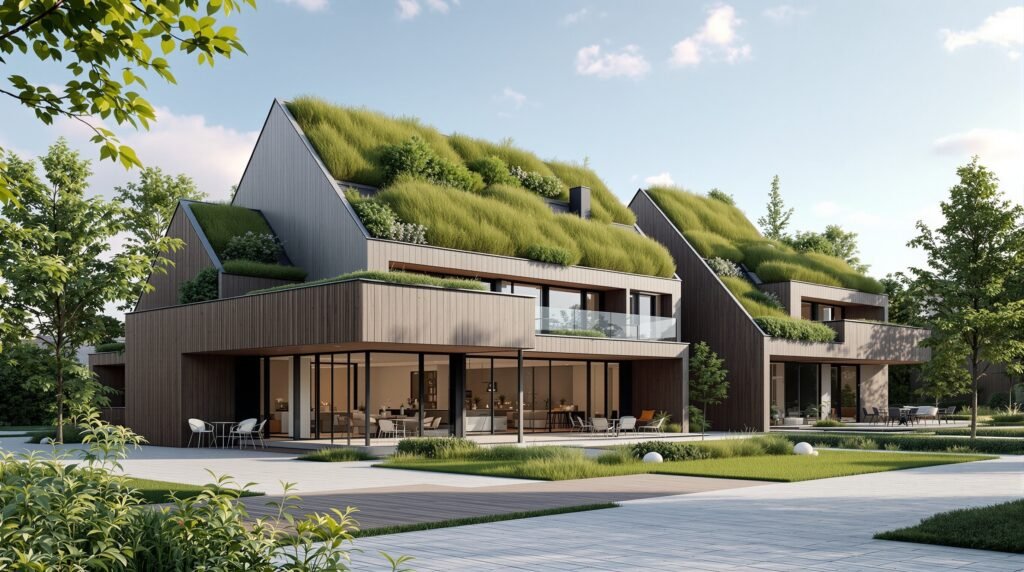
Benefits of Green Roofs for Energy-Efficient Homes
As sustainable living gains ground, Dutch residents are increasingly looking for ways to make their homes more energy-efficient. One solution that has gained popularity in recent years is the installation of green roofs. This article covers the benefits of green roofs for energy-efficient homes, their relevance to Dutch architecture, and practical tips for homeowners considering this sustainable roofing option in renovation projects.
Basic Concepts: Understanding Green Roofs
A green roof, also known as a living roof, is a type of roof that is covered with plants, soil, and other vegetation. This layer of greenery provides a range of benefits, including improved insulation, reduced stormwater runoff, and enhanced biodiversity. Green roofs can be categorized into three main types: intensive, semi-intensive, and extensive. Intensive green roofs have a thick layer of soil and support a wide range of plants, while extensive green roofs have a thinner layer of soil and are limited to low-maintenance, drought-tolerant plants.
Benefits of Green Roofs for Energy-Efficient Homes
Green roofs offer numerous benefits for energy-efficient homes, including:
- Improved insulation: Green roofs can reduce heat loss in the winter and heat gain in the summer, resulting in lower energy bills and a reduced carbon footprint.
- Reduced stormwater runoff: Green roofs can absorb and filter rainwater, reducing the amount of stormwater that enters the sewer system and mitigating the risk of flooding.
- Enhanced biodiversity: Green roofs can provide a habitat for plants, insects, and birds, increasing urban biodiversity and supporting local ecosystems.
- Extended roof lifespan: Green roofs can protect the roofing membrane from UV radiation, extreme temperatures, and mechanical damage, extending the lifespan of the roof.
- Aesthetic appeal: Green roofs can be a beautiful addition to a home, providing a tranquil oasis in urban environments and increasing property values.
Relevance to Dutch Architecture
In the Netherlands, green roofs are becoming more popular, particularly in urban areas such as Amsterdam and Utrecht. Dutch architecture has a strong focus on sustainability, and green roofs are seen as a key component of energy-efficient home design. Many Dutch cities offer incentives for homeowners who install green roofs, such as tax breaks and subsidies. The Dutch government has also set ambitious targets for reducing carbon emissions, and green roofs are expected to play a significant role in achieving these goals.
Practical Tips for Installing a Green Roof
If you are considering installing a green roof as part of your home renovation project, here are some practical tips to keep in mind:
- Assess your roof structure: Before installing a green roof, ensure that your roof is structurally sound and can support the weight of the soil, plants, and other materials.
- Choose the right plants: Select plants that are suitable for your climate and the level of maintenance you are willing to provide.
- Consider the drainage system: Ensure that your green roof has a proper drainage system to prevent waterlogging and root damage.
- Install a root barrier: A root barrier can prevent plant roots from penetrating the roofing membrane and causing damage.
- Maintain your green roof: Regular maintenance is essential to ensure the longevity and effectiveness of your green roof.
Conclusion
Green roofs offer a wide range of benefits for energy-efficient homes, from improved insulation and reduced stormwater runoff to enhanced biodiversity and aesthetic appeal. As the Netherlands continues to prioritize sustainability, green roofs are likely to become an increasingly popular feature of Dutch architecture. By following the practical tips outlined above, homeowners can enjoy these benefits while contributing to a more sustainable future.