Passive House Standards: Window and Door Specifications for Energy Neutrality
As sustainable living gains ground, passive houses have attracted significant attention in the Netherlands. A passive house is a building designed and constructed to be highly energy-efficient, reducing the need for heating and cooling. Windows and doors are critical components, playing a key role in maintaining energy neutrality. This article covers the passive house standards for windows and doors in the Netherlands, including specifications, materials, and the benefits of high-performance products.
Basic Concepts
Before looking at the specifics of passive house windows and doors, it helps to understand a few key concepts. Energy neutrality means a building produces as much energy as it consumes over a year. Passive houses achieve this by minimizing heat loss and maximizing heat gain through careful design and construction. Windows and doors are critical components, as they can account for up to 30% of a building’s heat loss.
The Dutch government has set ambitious targets to reduce energy consumption and greenhouse gas emissions, making passive house standards increasingly important for homeowners and builders. The Netherlands has adopted the Passive House Standard, which sets specific requirements for energy efficiency, air tightness, and thermal comfort.
Passive House Window Specifications
Passive house windows in the Netherlands must meet specific standards to ensure energy efficiency and thermal comfort. Some of the key specifications include:
- U-value: The U-value measures the window’s ability to prevent heat from escaping. For passive houses, the U-value should be no higher than 0.8 W/m²K.
- Solar Heat Gain Coefficient (SHGC): The SHGC measures the amount of solar radiation that enters the building through the window. A higher SHGC value indicates more heat gain, which is desirable in the Netherlands’ cool climate.
- Air tightness: Windows must be designed and installed to minimize air leakage, which can lead to heat loss and reduced energy efficiency.
- Frame materials: Windows frames should be made from materials with high thermal insulation properties, such as wood, fiberglass, or vinyl.
High-performance windows that meet these specifications can be more expensive than standard windows, but they offer long-term energy savings and improved thermal comfort.
Passive House Door Specifications
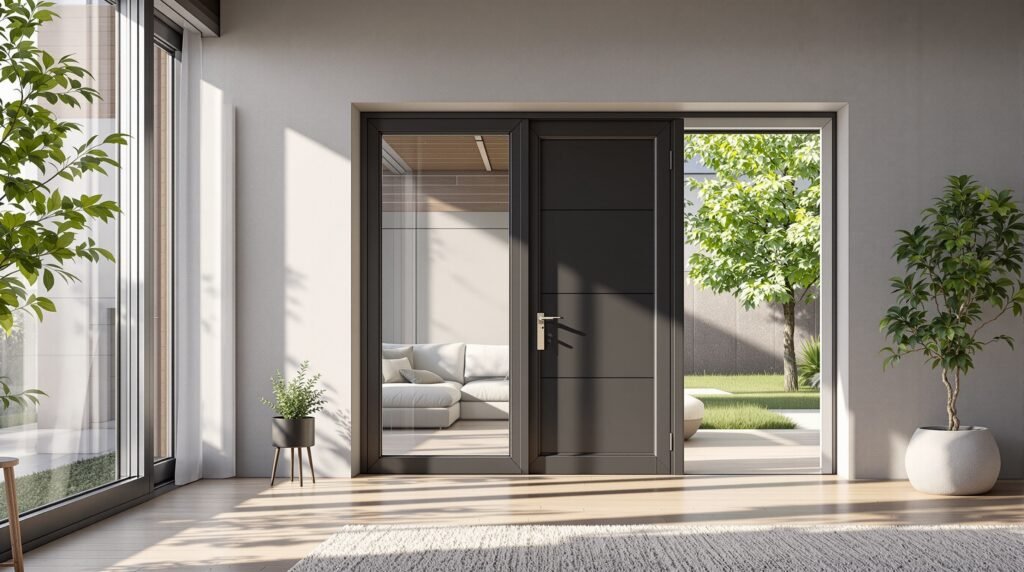
Passive house doors in the Netherlands must also meet specific standards to ensure energy efficiency and thermal comfort. Some of the key specifications include:
- U-value: Similar to windows, doors should have a U-value no higher than 0.8 W/m²K.
- Air tightness: Doors must be designed and installed to minimize air leakage, which can lead to heat loss and reduced energy efficiency.
- Thermal bridging: Doors should be designed to minimize thermal bridging, which occurs when heat is transferred through the door frame or other components.
- Material selection: Doors should be made from materials with high thermal insulation properties, such as wood, fiberglass, or steel.
High-performance doors that meet these specifications can provide improved energy efficiency, thermal comfort, and durability.
Materials for High-Performance Windows and Doors
The choice of materials for high-performance windows and doors is critical to achieving passive house standards. Some of the most common materials used include:
- Wood: Wood is a popular choice for windows and doors due to its natural insulation properties and aesthetic appeal.
- Fiberglass: Fiberglass is a durable and low-maintenance material that offers excellent thermal insulation properties.
- Vinyl: Vinyl is a cost-effective material that offers good thermal insulation properties and is resistant to rot and insect damage.
- Steel: Steel is a strong and durable material that offers excellent thermal insulation properties and is often used for high-performance doors.
When selecting materials for high-performance windows and doors, it’s essential to consider factors such as durability, maintenance, and cost-effectiveness.
Practical Tips for Achieving Passive House Standards
To achieve passive house standards for windows and doors, follow these practical tips:
- Work with an experienced builder or architect who is familiar with passive house standards.
- Choose high-performance windows and doors that meet the specified U-value and SHGC requirements.
- Ensure proper installation to minimize air leakage and thermal bridging.
- Consider factors such as material durability, maintenance, and cost-effectiveness when selecting windows and doors.
By following these tips and incorporating high-performance windows and doors into your building design, you can achieve energy neutrality and reduce your environmental impact.
Conclusion
Passive house standards for windows and doors are critical to achieving energy neutrality and reducing greenhouse gas emissions. By understanding the specifications, materials, and benefits of high-performance products, homeowners and builders can make informed decisions about their building design. Work with experienced professionals, choose high-performance materials, and ensure proper installation to meet passive house standards. With the right design and materials, you can create a sustainable, energy-efficient building built for the future.