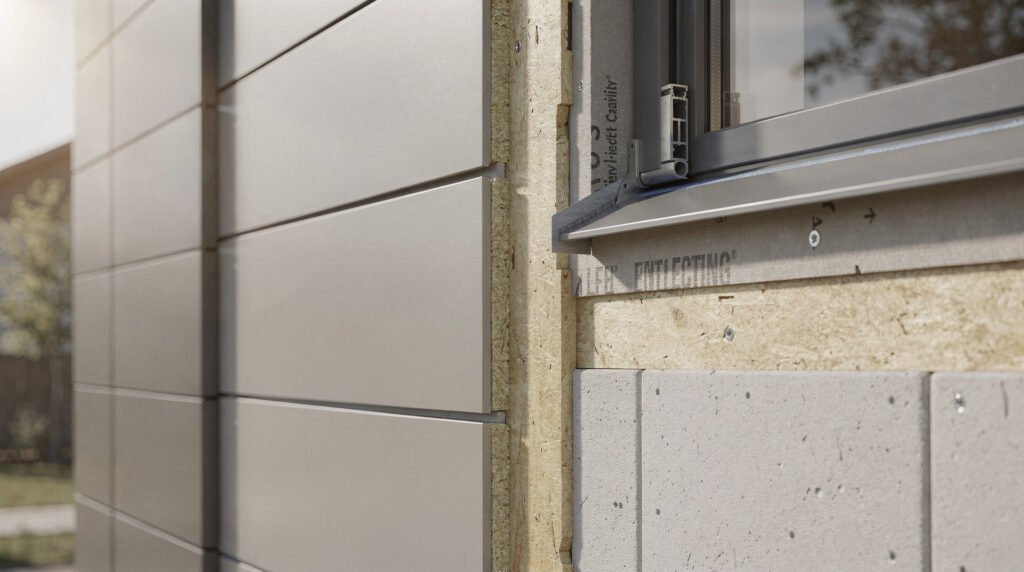
Understanding and Preventing Thermal Bridging in Your Home Renovation
If you are renovating a home in the Netherlands, creating an energy-efficient and sustainable living space should be a priority. One important factor is thermal bridging, which can significantly affect your home’s energy efficiency and comfort. This article explains what thermal bridging is, what causes it, and how to prevent it in your renovation project.
Basic Concepts: Understanding Thermal Bridging
Thermal bridging refers to the process by which heat is transferred through the building envelope, typically through gaps or weaknesses in the insulation. This can occur in various parts of your home, including walls, floors, and roofs. When thermal bridging occurs, it can lead to significant heat loss, resulting in higher energy bills and a less comfortable living space.
To better understand thermal bridging, it is essential to familiarize yourself with the key terms and concepts involved. These include:
- U-value: a measure of the thermal transmittance of a building component, with lower values indicating better insulation.
- R-value: a measure of the thermal resistance of a building component, with higher values indicating better insulation.
- Thermal conductivity: the ability of a material to conduct heat, with lower values indicating better insulation.
Causes of Thermal Bridging
Thermal bridging can occur due to various reasons, including:
- Poor insulation: inadequate or poorly installed insulation can lead to thermal bridging.
- Building design: certain building designs, such as those with large windows or metal frames, can be more prone to thermal bridging.
- Construction materials: the use of materials with high thermal conductivity, such as steel or aluminum, can contribute to thermal bridging.
- Gaps and weaknesses: gaps or weaknesses in the building envelope, such as those around windows or doors, can allow heat to escape.
Preventing Thermal Bridging in Home Renovation
To prevent thermal bridging in your home renovation project, follow these practical tips:
- Use high-quality insulation materials, such as fiberglass or cellulose, and ensure they are properly installed.
- Choose building materials with low thermal conductivity, such as wood or fiber-cement.
- Design your building with energy efficiency in mind, using elements such as passive solar design and shading devices.
- Seal all gaps and weaknesses in the building envelope, using materials such as weatherstripping or spray foam.
- Consider using thermal bridge-free construction details, such as those that eliminate the need for metal frames or other thermally conductive materials.
Benefits of Preventing Thermal Bridging
By preventing thermal bridging in your home renovation project, you can enjoy numerous benefits, including:
- Reduced energy bills: by minimizing heat loss, you can reduce your energy consumption and save money on your energy bills.
- Improved comfort: a well-insulated home can provide a more comfortable living space, with fewer cold spots and drafts.
- Increased sustainability: by reducing energy consumption, you can contribute to a more sustainable and environmentally friendly living space.
- Enhanced durability: preventing thermal bridging can help extend the lifespan of your building, by reducing the risk of moisture damage and other issues related to heat loss.
Practical Tips for Homeowners in the Netherlands
As a homeowner in the Netherlands, you can take the following steps to prevent thermal bridging in your home renovation project:
- Consult with a professional builder or architect who has experience with energy-efficient construction.
- Conduct a thorough energy audit of your home to identify areas where thermal bridging is occurring.
- Use the results of your energy audit to prioritize renovations and make targeted improvements to your home’s insulation and building envelope.
- Consider investing in energy-efficient materials and technologies, such as solar panels or heat pumps.
Conclusion
Thermal bridging is a critical issue to address in home renovation projects, especially in energy-efficient and sustainable construction. By understanding its causes and taking practical steps to prevent it, you can create a more comfortable, energy-efficient, and sustainable home. Consult with professionals, conduct thorough energy audits, and prioritize targeted renovations to make your project a success. The right approach brings lower energy bills, improved comfort, and greater sustainability.
By following these tips and guidelines, you can ensure that your home renovation project is a success, and that your home remains comfortable, energy-efficient, and sustainable for years to come.